
Audio Effects Processor
5.0Editor score
24 Bit Signal Processing
199 Preset Effects
Dual Channel Design
This guide compares the top hardware reverb units for studios and live sound, evaluating features, sound quality, and usability to help you find the right unit.
Hardware reverb units provide essential spatial effects for audio production. A good unit offers rich algorithms, intuitive controls, and reliable performance across various instruments and vocal tracks.
We compared ten top hardware reverb units based on sound quality, feature sets, build durability, and user feedback. Our analysis covers pedals, rackmounts, and modular options for every budget and setup.
Each pick highlights specific strengths and ideal use cases for different musicians and producers. Please note that prices and availability may change over time, so always verify current details before purchasing.
5.0Editor score

4.9Editor score

4.8Editor score
Here is a side-by-side comparison of all ten hardware reverb units analyzed in this guide, highlighting their core specifications and unique selling points.
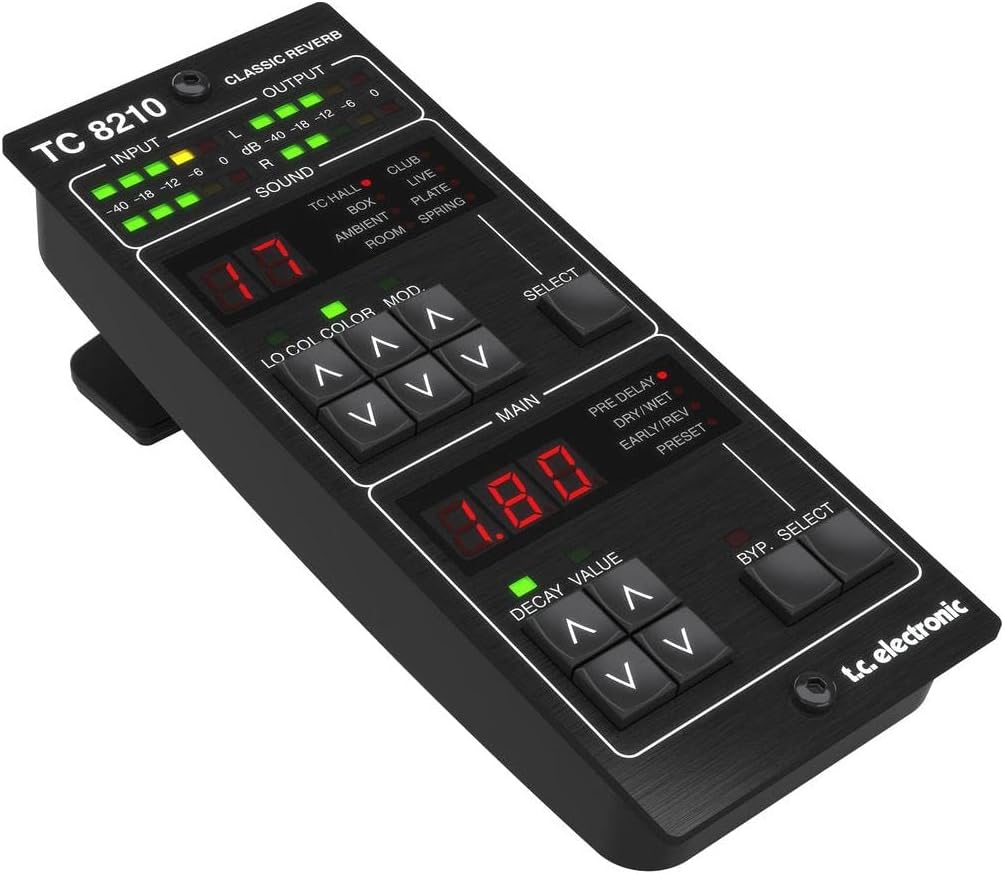




This unit brings the classic TC reverb sound directly into your DAW with optional hardware control. It features a dedicated desktop interface that provides intuitive hands-on control for mixing sessions.
We may earn a commission when you buy through this link, at no additional cost to you.
Its huge reverb variety perfectly suits diverse musical needs from vocals to drums. The unit preserves the natural characteristics of your original source material while adding spatial depth.
While the hardware controller is optional, the included presets are highly rated by artists. Some users might prefer a fully standalone unit rather than a plug-in approach.
Ideal for producers wanting classic TC tones with physical control. This pick is recommended for those integrating reverb into their digital workflow with tactile adjustments.
The plug-in brings iconic TC reverb characteristics into modern digital environments.
The desktop interface offers hands-on mixing adjustments without deep menu diving.
We may earn a commission when you buy through this link, at no additional cost to you.
This is a 72HP analog reverb module featuring dual-spring reverb for authentic tones. It integrates seamlessly into Eurorack systems for modular synthesis setups.
We may earn a commission when you buy through this link, at no additional cost to you.
It includes multiple input options such as unbalanced mic and aux inputs. This allows flexible routing within your modular synth or effects rack.
Users should note it requires modular power and is limited to spring sounds. It does not offer digital algorithms or other reverb types.
Best for modular synth enthusiasts seeking authentic spring tones. This unit adds classic texture to your synth patches and sound design projects.
The 72HP design fits standard Eurorack cases for easy system expansion.
Dual springs provide warm and organic reverberation effects.
We may earn a commission when you buy through this link, at no additional cost to you.
This rackmount unit features high-precision 24 bit digital audio processing for clear sound. It boasts 199 pre-programmed effect modes including reverb and delay.
We may earn a commission when you buy through this link, at no additional cost to you.
Its dual channel design supports parallel processing for flexible audio routing. The sturdy metal construction withstands the rigors of live touring and studio use.
Navigation may require some time to master the edit controls. However, the extensive presets make it accessible for various musical styles quickly.
Perfect for studios and live setups needing versatile rack effects. This unit offers excellent value with professional features at an affordable price point.
Access to 199 effect modes covers nearly any sound design need.
Standard 19 inch chassis fits professional racks with solid build.
We may earn a commission when you buy through this link, at no additional cost to you.
This pedal offers seven modes including Room Hall Church Spring Plate Studio and Mod. The true bypass design delivers a transparent tone when disengaged.
We may earn a commission when you buy through this link, at no additional cost to you.
Its whole aluminium-alloy construction is classic stable and strong. The mini size makes it easy to fit on any pedal board.
Controls are basic with limited parameter adjustments beyond mode selection. Power supply is not included and it runs on a standard 9V DC.
Great for guitarists wanting simple versatile reverb on a board. This unit is ideal for beginners or players needing a straightforward reverb effect.
Mini size footprint allows more space for other essential pedals.
True bypass ensures your dry signal remains unaffected when off.
We may earn a commission when you buy through this link, at no additional cost to you.
This pedal features 24 studio quality algorithms that count to its strength. It delivers pristine classic sounds alongside ambient options for creative use.
We may earn a commission when you buy through this link, at no additional cost to you.
The interface is easy to use and fast to dial in during performance. Tap functions help sync settings with your song tempo accurately.
It is priced higher than basic pedals but justifies with quality. Some users may find the advanced features require exploration time.
Perfect for guitarists wanting professional algorithms and classic tones. This unit stands out for its balance of ease of use and sonic depth.
High-end algorithms deliver studio grade reverb textures on stage.
Intuitive layout ensures quick adjustments during live performances.
We may earn a commission when you buy through this link, at no additional cost to you.
The BigSky pedal offers multidimensional reverberation beyond typical reverb sounds. It is renowned for its extensive algorithm library and high fidelity quality.
We may earn a commission when you buy through this link, at no additional cost to you.
Users can access complex routing features and modulation options for depth. The pedal provides a massive range of sonic textures for exploration.
Navigation involves menus which can be challenging to master quickly. Its larger size may take up significant space on a pedal board.
Ideal for professionals seeking the ultimate reverb toolbox. This unit is a premium choice for those prioritizing sound quality over simplicity.
Multidimensional architecture creates immersive and unique soundscapes.
Engineered for high fidelity audio processing with minimal noise.
We may earn a commission when you buy through this link, at no additional cost to you.
This digital stereo reverb pedal offers a balanced mix of tone and control. It includes shimmer controls and adjustable pre-delay for customization.
We may earn a commission when you buy through this link, at no additional cost to you.
High quality components ensure pristine audio performance and reliability. The reverb mod switches add extra texture to standard spaces.
Controls are limited to three knobs which simplifies use but restricts tweaking. It is priced higher than basic units but delivers pro quality.
Perfect for players wanting high fidelity with simple controls. This unit is recommended for those seeking reliable stereo reverb with shimmer.
Integrated shimmer creates ethereal and octave-based reverb textures.
Full stereo imaging enhances spatial depth in mixes and live sets.
We may earn a commission when you buy through this link, at no additional cost to you.
This high-fidelity reverb unit features six revamped programs for vast tonal improvement. It includes a new ducking and swelling feature for dynamic control.
We may earn a commission when you buy through this link, at no additional cost to you.
There are 128 on-board presets accessible via the menu for easy recall. Feedback EQ control allows precise shaping of the reverb tail.
Navigation uses a menu screen which may be complex for beginners. However, the advanced control options justify the learning curve for many.
Great for advanced users wanting programmable reverb with dynamics. This unit offers deep features for shaping tones to match mix needs.
Ducking and swelling features help manage reverb levels dynamically.
Store and access 128 presets for quick setup changes.
We may earn a commission when you buy through this link, at no additional cost to you.
This unit offers the most authentic emulation of a classic mid-70s ambience device. It provides full modeling of the multi-head tape delay mechanism.
We may earn a commission when you buy through this link, at no additional cost to you.
The emulation of the original hardware's spring reverb is exacting and detailed. Silent switching and buffered bypass ensure clean signal paths.
It requires an isolated 9VDC power supply which is sold separately. This adds a small extra cost and setup step for users.
Perfect for vintage tone seekers and collectors. This unit recreates the charm of classic analog gear with modern reliability.
Captures the iconic analog preamp and spring characteristics faithfully.
Buffered bypass maintains signal quality when the pedal is off.
We may earn a commission when you buy through this link, at no additional cost to you.
This versatile unit allows you to achieve any reverberation effect needed. It is made in Kansas City USA with attention to quality standards.
We may earn a commission when you buy through this link, at no additional cost to you.
The EQ lets you perfectly adjust for a bright or dark texture. The pre-delay knob allows exploration of slap-like to spacey sounds.
It runs on standard 9V DC negative center power which is common. However controls are limited to three knobs for simple operation.
Great for players valuing US made craftsmanship. This unit is recommended for those wanting versatile tones with simple and reliable controls.
Built-in EQ lets you tailor the brightness of the reverb tail.
Manufactured in Kansas City ensuring high build quality standards.
We may earn a commission when you buy through this link, at no additional cost to you.
Choosing the right hardware reverb unit depends on your specific audio needs and setup requirements. This guide explains key factors to consider.
Different units offer various reverb types like plate hall spring or algorithmic. Decide which sounds suit your genre and instruments best.
Look for algorithms that match your musical style and provide enough variety.
Consider how easy it is to adjust parameters during performance. Some units have dedicated knobs while others use menus.
Choose a control scheme that allows quick changes without interrupting your flow.
Check for stereo inputs and outputs if you need wide reverb effects. Some units offer MIDI control for integration with other gear.
Ensure the I/O matches your existing setup requirements.
If touring often, look for rugged construction and reliable components. Metal cases and true bypass circuits add longevity.
Solid build quality ensures the unit withstands transportation and frequent use.
Units with preset storage help you recall sounds quickly. Check if you can save and manage presets easily.
Preset functionality is essential for live performances needing consistent tones.
Verify if the unit needs a specific voltage or center polarity. Some come with adapters while others require separate purchases.
Always confirm power requirements to avoid buying additional accessories later.
Compare features relative to the cost. High-end units offer more depth while budget ones provide essential functions.
Determine what features are essential for your needs before buying.
Look for USB or app support for future updates and sound expansion. This extends the product's usable life significantly.
Modern connectivity options add long-term value to your investment.
Start by connecting the reverb unit between your instrument and amp or into your audio interface. Ensure all cables are securely seated to avoid signal loss.
Adjust the mix level to blend the dry signal with the wet reverb effect. Use pre-delay and decay controls to shape the space around your sound.
Keep the unit clean by wiping with a dry cloth regularly. Store it in a cool dry place to protect electronic components from damage.
Digital units use algorithms to create reverb and offer more types and presets. Analog units use physical springs or plates for warmer but fewer tones.
Stereo setups provide a wider and more immersive soundstage. However mono setups work fine for simple applications.
Yes most reverb units have line inputs that work with keyboards. Ensure levels are matched to avoid noise or distortion.
Decay control adjusts how long the reverb tail lasts. Longer decay creates larger spaces while shorter decay is tighter.
Hardware units provide tactile control and zero CPU usage on your computer. Plugins may offer more flexibility and editing options.
Use shielded cables and proper grounding to minimize interference. Adjust levels to avoid overdriving the input stage.
We explored ten top hardware reverb units ranging from budget friendly to premium options. Each offers unique features tailored to different performance and production needs.
Prioritize the reverb type and interface that best suits your workflow. Consider how you will integrate the unit into your existing signal chain.
Always check current prices and availability before making a final purchase decision. This ensures you get the best value for your investment.