
Debian Linux 13.7 Latest Bootable USB Flash Drive
5.0Editor score
Legendary stability and security
Fast and lightweight system
Open-source freedom and customization
This guide compares the top bootable Linux USB drives available in October 2026, featuring pre-installed distros like Mint and Ubuntu for easy testing and
Finding a reliable bootable Linux USB drive simplifies the process of trying new operating systems without risking your existing setup. These drives come pre-loaded with popular distributions, allowing you to test hardware compatibility or install Linux directly on your machine with minimal effort and technical knowledge required upfront.
We evaluated ten top-rated options based on user feedback, distribution variety, and boot compatibility across different hardware configurations. Our comparison focuses on drives that support both legacy BIOS and modern UEFI systems while offering stable performance for everyday tasks like browsing, office work, and multimedia consumption on standard desktops and laptops.
Each pick below highlights specific strengths such as included software suites, update frequency, and ease of use for beginners transitioning from Windows. Please note that prices and availability fluctuate frequently, so checking the current listing is recommended before making a final decision on which drive best fits your needs today.
5.0Editor score

4.6Editor score

4.1Editor score
The following table provides a side-by-side comparison of all ten bootable Linux USB drives reviewed in this guide, highlighting key specifications such as included distributions, storage capacity, and compatibility features to help you make an informed decision quickly.



This bootable USB flash drive features Linux Mint 22.3 with the Cinnamon desktop environment, rated highly for its stability and ease of use. It offers a fully functional operating system directly from the USB stick allowing you to test hardware compatibility or run a portable office setup without installing anything on your hard drive.
We may earn a commission when you buy through this link, at no additional cost to you.
Linux Mint is designed to work out of the box with essential applications like LibreOffice web browser and media tools pre-installed. This makes it ideal for users who need a reliable portable OS for productivity work presentations or graphic design tasks while maintaining the familiarity of a traditional desktop layout.
While it focuses on a single distribution which limits variety compared to multi-distro drives the polish and performance of Mint justify this choice. The lightweight nature of the Cinnamon desktop ensures smooth operation even on slightly older hardware which is a significant benefit for revitalizing aging machines.
Anyone looking for a straightforward introduction to Linux or a secure portable workstation will find this drive particularly useful. We recommend it for students professionals or casual users who value stability and ease of use over experimenting with multiple distributions simultaneously on the same drive.
The drive comes with a complete office suite and multimedia tools so you can start working immediately without configuring software or downloading additional packages.
Familiar taskbars and window controls make switching from Windows intuitive while providing a secure private environment with no forced updates or account requirements.
We may earn a commission when you buy through this link, at no additional cost to you.
The Debian 13.7 bootable USB drive stands out for its legendary stability and trustworthiness in the open-source community. It offers a clean secure environment free from bloatware tracking or unnecessary software making it perfect for users who prioritize privacy and long-term system reliability over flashy features.
We may earn a commission when you buy through this link, at no additional cost to you.
Debian is optimized for performance on both modern and older hardware ensuring that the system runs efficiently without requiring powerful resources. This makes it an excellent choice for repurposing older laptops or desktops where lightweight operation is essential for daily productivity or server tasks.
While the interface may feel less polished than consumer-focused distros the flexibility and control it offers are unmatched. Users can tailor the environment to their exact needs installing only the packages required for specific tasks without the overhead of pre-installed bloat.
We recommend this drive for developers IT professionals or students who want to learn Linux administration without commercial constraints. It serves as a reliable platform for testing software or hosting local services while maintaining a strict focus on open-source freedom and security standards.
The system includes no tracking tools or forced updates ensuring your data remains private and your control over the software is absolute at all times.
Lightweight architecture ensures smooth performance even on machines with limited RAM or older processors extending the life of aging computers effectively.
We may earn a commission when you buy through this link, at no additional cost to you.
This 16-in-1 bootable USB drive offers an extensive collection of Linux distributions including Kali Ubuntu and Tails along with Windows 11 options all pre-loaded on a 64GB USB 3.2 drive. The sheer variety makes it a comprehensive toolkit for testing compatibility across different hardware environments or exploring various system configurations efficiently.
We may earn a commission when you buy through this link, at no additional cost to you.
With support for both UEFI and Legacy boot modes this drive ensures compatibility with almost any PC or laptop regardless of age. The high-speed interface allows for quicker boot times and file transfers which is beneficial when running memory-intensive tasks or installing large software packages on the fly.
The drive includes detailed boot instructions and hot key lists to help users navigate the boot menu effectively even if they are less familiar with BIOS settings. However the wide selection may feel overwhelming for absolute beginners who might prefer a single distro option for a simpler start.
We recommend this premium option for IT professionals or enthusiasts who need a versatile tool for diagnostics recovery or development testing. It provides a convenient all-in-one solution for managing multiple OS needs without carrying several individual USB sticks around daily.
Access to sixteen different ISOs allows you to test hardware compatibility across multiple environments without downloading and writing new files repeatedly.
USB 3.2 connectivity ensures faster read speeds compared to older USB standards improving the overall responsiveness when running live systems.
We may earn a commission when you buy through this link, at no additional cost to you.
The 9-in-1 bootable USB drive targets beginners by offering a curated selection of user-friendly distributions like Ubuntu Linux Mint and MX Linux. Each distro comes with a wide range of pre-bundled software including office suites browsers and multimedia tools ensuring you can start working immediately upon booting up the system.
We may earn a commission when you buy through this link, at no additional cost to you.
This drive is designed for easy use with a printed user guide included to help you navigate boot menus and installation steps confidently. It supports both legacy BIOS and UEFI systems making it versatile for most desktops and laptops except for ARM-based devices like Chromebooks or Macs.
The selection focuses on LTS versions which prioritize stability and long-term support ensuring a smoother experience without frequent updates interrupting workflow. This approach is particularly helpful for users who want a reliable environment for learning Linux basics without dealing with the instability of bleeding-edge releases.
We recommend this drive for students or casual users who want to try Linux without complex configurations. It provides a balanced mix of popular distributions and ready-to-use applications making the transition from Windows feel natural and uncomplicated for anyone starting their journey in open-source computing.
Pre-installed productivity tools like image editors and web browsers allow immediate usage for daily tasks without needing internet access to download apps.
Detailed guides and customer support ensure you can resolve common boot issues quickly even with limited technical experience on your current setup.
We may earn a commission when you buy through this link, at no additional cost to you.
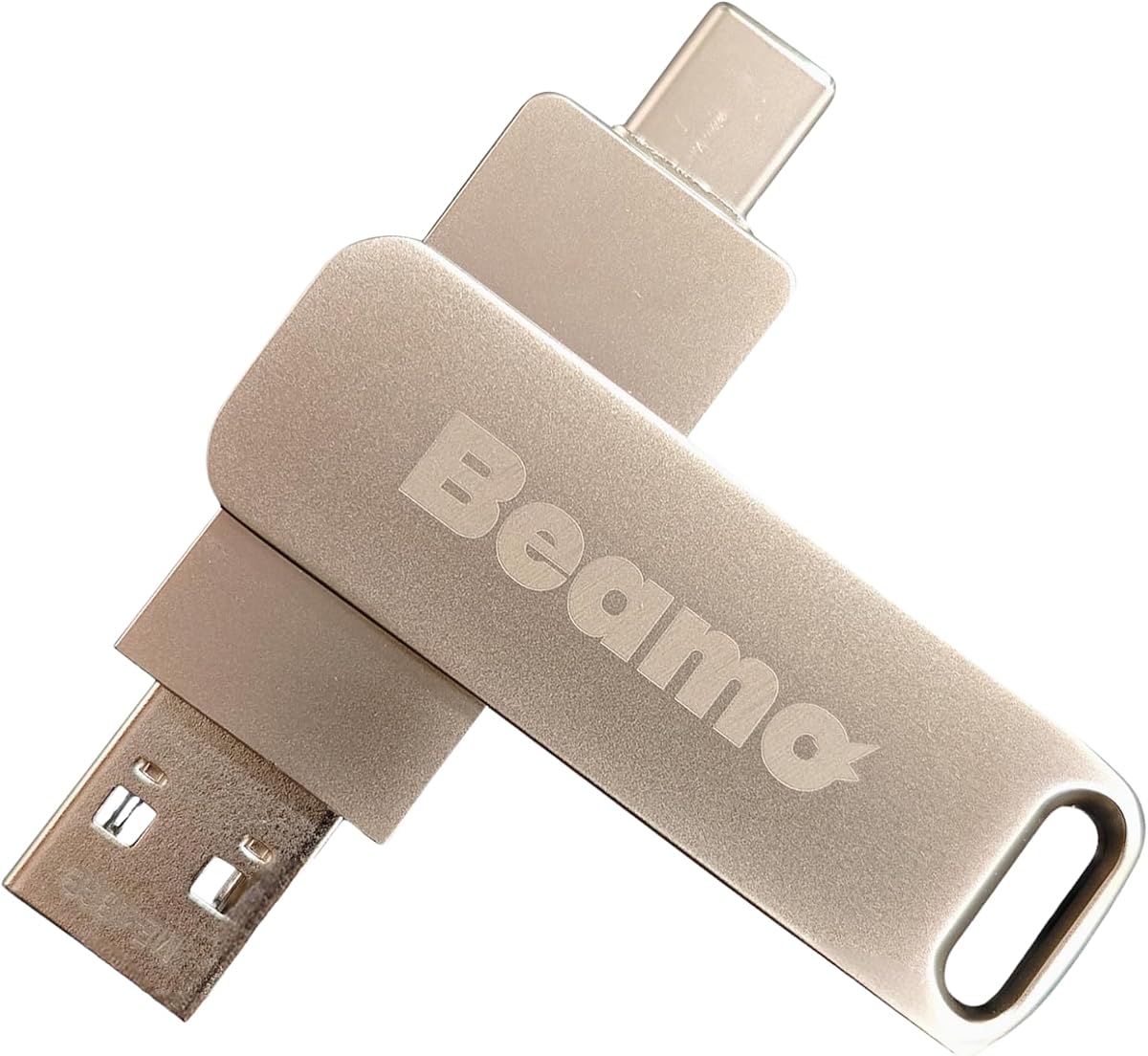
This Beamo drive specifically features Linux Mint 22.3 and is ideal for users who need a reliable tool for installing or repairing their existing Mint systems. It allows you to launch a live environment to evaluate the system before committing to a full installation or to access recovery tools when facing boot issues on your primary drive.
We may earn a commission when you buy through this link, at no additional cost to you.
The drive is optimized for x86-64 PCs and includes instructions on boot settings that may vary by manufacturer ensuring you can successfully load the OS on most common hardware. It is particularly useful for system administrators who need a portable tool to troubleshoot client machines without needing a dedicated laptop for diagnostics.
While it focuses on a single version of Mint this limitation ensures consistency and reliability for users already invested in that ecosystem. The 16GB storage is sufficient for the OS and necessary utilities making it a compact and effective solution for emergency repair scenarios or quick system testing.
We recommend this drive for Mint users or IT support personnel who require a dedicated tool for system maintenance. It simplifies the repair process by providing a clean stable environment from which to diagnose issues or reinstall the operating system efficiently without data loss on other partitions.
Access to live environment tools allows you to fix boot errors recover data or reinstall the OS without affecting your existing hard drive partitions.
Compact size and ease of use make it perfect for carrying in a toolkit for on-site system troubleshooting and immediate resolution of technical issues.
We may earn a commission when you buy through this link, at no additional cost to you.
This 3-in-1 bootable USB includes three versions of Linux Mint catering to both modern and older hardware with 64-bit and 32-bit options. The inclusion of Mint 19.3 ensures compatibility with older PCs that may not support newer 64-bit architectures providing a versatile solution for maintaining older systems effectively.
We may earn a commission when you buy through this link, at no additional cost to you.
Users can try the OS on USB before installing which is crucial for verifying hardware support without risking existing data on the internal hard drive. The drive comes with a printed guide to assist with boot settings and installation processes making it accessible even for those with limited technical experience with BIOS configuration.
The focus on Mint provides a familiar interface that is comfortable for Windows users transitioning to Linux while offering stability and ease of use. Since Mint is designed to work out of the box the included versions offer a smooth experience with essential pre-installed software ready for immediate daily tasks.
We recommend this drive for users with aging hardware or those managing multiple machines with different architectures. It offers a practical way to keep older systems functional with a modern OS while providing flexibility for upgrading to newer versions if hardware supports it in the future.
The inclusion of 32-bit versions ensures that even older computers can run a modern interface efficiently without requiring expensive hardware upgrades or replacements.
Testing on a live USB allows you to verify driver support and performance before committing to installation protecting your existing system from potential conflicts.
We may earn a commission when you buy through this link, at no additional cost to you.
This 7-in-1 bootable USB offers a collection of specialized Linux distributions including Kali for security testing and Tails for privacy-focused browsing. It also includes Clonezilla for system imaging and backup making it a practical toolkit for IT tasks requiring diagnostic tools or data recovery capabilities on the fly.
We may earn a commission when you buy through this link, at no additional cost to you.
The drive supports UEFI and Legacy modes and is compatible with most laptops and desktops with simple BIOS configuration instructions provided. While 16GB is smaller than other options it is sufficient for the ISOs included and allows for a compact portable drive that fits easily in a pocket or bag.
The inclusion of Windows XP Professional alongside modern Linux distros adds an unusual layer of compatibility for legacy software testing that might be needed in specific business or archival environments. However this older OS is included primarily for legacy support rather than daily productivity use.
We recommend this drive for IT professionals or security enthusiasts who need a portable toolkit for diagnostics and recovery. It offers a balanced selection of tools for system maintenance and privacy without requiring a full installation on your primary hard drive.
Access to Kali and Tails provides immediate tools for security auditing and anonymous browsing without leaving traces on the host machine hard drive.
Clonezilla allows you to backup and restore system images quickly which is essential for recovering data or replicating a working environment to other machines.
We may earn a commission when you buy through this link, at no additional cost to you.
This Mint bootable USB distinguishes itself with dual USB-A and USB-C connectivity making it compatible with both traditional and modern laptop designs without needing adapters. The premium hardware ensures faster transfer speeds and greater longevity which is beneficial when running live OS sessions frequently or storing large backup files.
We may earn a commission when you buy through this link, at no additional cost to you.
The drive is fully customizable allowing you to add or replace ISOs easily following clear step-by-step instructions included with the product. This flexibility means you can tailor the drive to your specific needs over time rather than being locked into a single pre-installed distribution forever.
It includes full desktop productivity suite and gaming support via Launchers like Heroic and Lutris providing a versatile environment for work and entertainment. This makes it more than just a recovery tool; it is a complete portable workstation for users who need a full PC experience on the go.
We recommend this drive for professionals who value hardware quality and flexibility. It is ideal for users who want a long-lasting portable solution that can evolve with their needs from a simple installer to a customizable toolbox for various tasks.
The dual port design ensures you can plug directly into both older desktops and newer ultrabooks without carrying extra dongles or adapters.
Premium flash chips are rated for higher read-write cycles ensuring the drive remains reliable over years of repeated booting and installation cycles.
We may earn a commission when you buy through this link, at no additional cost to you.
This 3-in-1 bootable USB provides access to Ubuntu 24.04 LTS and 22.04 LTS alongside Lubuntu for older hardware making it a versatile choice for desktop and server setups. All included versions are Long Term Support releases ensuring stability and security for both personal and professional use cases without frequent interruptions for updates.
We may earn a commission when you buy through this link, at no additional cost to you.
The drive supports both legacy BIOS and UEFI boot modes making it compatible with most standard PCs excluding Apple computers and ARM-based devices. This broad compatibility ensures you can deploy it across a wide range of machines for testing or deployment without worrying about boot mode limitations.
Lubuntu inclusion is particularly useful for very old PCs where resource usage is critical providing a lightweight experience that still retains the core Ubuntu ecosystem and software repositories. This mix allows you to optimize for performance on older machines while having access to the full Ubuntu suite for newer hardware.
We recommend this drive for system administrators or home lab enthusiasts who need a reliable Ubuntu testing tool. It simplifies the process of deploying different Ubuntu flavors across multiple machines ensuring you have the right version for any specific hardware configuration you encounter.
LTS versions offer extended support cycles ensuring your system remains secure and stable for years without needing to upgrade the OS frequently.
Having both standard and lightweight versions allows you to match the OS to the hardware capabilities ensuring smooth performance across different machines.
We may earn a commission when you buy through this link, at no additional cost to you.
This Ubuntu bootable USB includes both desktop and server installers making it a complete kit for users who want to manage servers or learning system administration alongside standard desktop tasks. The inclusion of arm64 installers also expands compatibility to include ARM-based computers beyond standard x86 PCs providing broader hardware support.
We may earn a commission when you buy through this link, at no additional cost to you.
Built with premium flash chips the drive offers high-speed transfer and longevity essential for professional use where reliability is critical during deployments or recoveries. The customizable nature of the drive allows you to add additional ISOs or utilities as needed keeping your toolkit adaptable to changing technical requirements.
It supports both live running and installation allowing you to evaluate the system or deploy it permanently to your hard drive. The included tools are designed to handle productivity tasks like office work web browsing and media consumption making it suitable for everyday use as well as technical operations.
We recommend this drive for developers or IT professionals needing a robust tool for server management and desktop use. It provides a comprehensive solution for setting up Linux environments efficiently while ensuring high compatibility across a wide range of hardware architectures.
Access to server installers allows you to set up networking and hosting services directly from the USB providing a complete Linux administration tool.
Inclusion of arm64 installers ensures that you can install on Raspberry Pi or other ARM devices expanding your utility beyond standard PC architectures.
We may earn a commission when you buy through this link, at no additional cost to you.
Selecting the right bootable Linux USB drive involves considering factors like included distributions, compatibility with your hardware, and storage capacity. This section outlines the key elements you should evaluate to ensure you pick a drive that meets your specific needs for testing, installing, or maintaining Linux systems.
Consider how many different Linux versions you need on a single drive. Multi-distro options are useful if you want to test compatibility across various distributions or need tools for different tasks like security or privacy without carrying multiple sticks.
If you only need one specific distro like Ubuntu or Mint a single-distro drive might be simpler and more focused on performance and stability.
Capacity determines how many ISOs you can store and whether you have space for custom files or persistent storage. Drives range from 16GB to 64GB depending on the number of included distributions and the size of the ISOs.
For beginners a 32GB drive is often sufficient. For professionals needing multiple tools or custom configurations 64GB offers more flexibility for future updates.
Ensure the drive supports both Legacy BIOS and UEFI boot modes to work with older and newer computers. Most modern systems use UEFI but having Legacy support is crucial for older machines or specific enterprise environments.
Always check the product details for explicit confirmation of UEFI and Legacy support to avoid boot failures when you plug it into your system.
Look for drives that come with printed user guides or detailed boot instructions. This is particularly important if you are new to Linux and may not know how to access the BIOS boot menu on your specific hardware.
Some drives also include visual tutorials or videos which can significantly reduce the friction of setting up your first live USB experience.
Check if the included distributions are Long Term Support (LTS) versions or latest releases. LTS versions are generally more stable and receive longer support which is ideal for production environments or users who value consistency over new features.
Latest versions offer cutting-edge features but may have bugs or compatibility issues. Choose based on whether you prioritize stability or newest functionality.
USB 3.0 or 3.2 drives provide faster boot times and file transfers compared to USB 2.0. This speed difference is noticeable when running the OS from the USB drive as it impacts overall system responsiveness.
Investing in a faster interface is worth it if you plan to use the drive frequently for live sessions or large installation tasks.
Premium drives often use high-quality flash chips that are more durable and faster. This ensures the drive lasts longer under heavy use which is critical for professionals who rely on it for work daily.
Avoid generic unbranded drives if reliability is a priority as they may have inconsistent performance or fail unexpectedly during critical operations.
Check if the drive has a dual USB-A and USB-C connector for compatibility with modern laptops that lack traditional USB ports. This feature eliminates the need for adapters and makes the drive more portable.
If you work with newer hardware USB-C connectivity is a valuable feature that ensures you can plug in directly without extra accessories.
To use the drive insert it into a USB port on your computer and restart the machine. Access the BIOS or UEFI setup by pressing the designated key during boot such as F12 F2 or Del depending on your manufacturer. Select the USB drive as the boot device to load the live Linux environment.
Once booted you can test the operating system without installing it on your hard drive. If you decide to install choose the install option from the menu and follow the on-screen instructions. Always back up your data before installing to prevent accidental data loss during partitioning.
To care for the drive keep it in a protective case when not in use to prevent physical damage. Avoid removing it while the system is running to prevent file corruption. If you notice performance issues reformat the drive or use a disk utility to check for errors.
No you do not need to install Linux to use the USB drive for testing or troubleshooting. You can boot directly into a live environment to try the operating system without affecting your existing hard drive or data.
Most of these USB drives are not compatible with Apple computers including Macs and Apple Silicon devices. They are designed for x86-64 PCs and may not boot properly on ARM-based hardware without specific modifications.
You can save files on the USB drive if it has sufficient free space and you configure persistence. However standard live drives may not save changes by default unless you enable persistence features during setup.
UEFI is a modern boot standard used by newer computers while Legacy BIOS is an older standard used by older machines. A good bootable USB should support both modes to ensure compatibility with all PC models.
No these drives come pre-loaded with ISOs so you do not need to download them separately. You can use the included distributions immediately after booting the system for testing or installation.
The lifespan depends on usage frequency and hardware quality. Premium drives with high-quality flash chips can last several years under regular use while standard drives may degrade faster with heavy write cycles.
We have reviewed ten top options ranging from beginner-friendly multi-distro sets to specialized recovery tools. The Linux Mint and Debian drives stand out for stability while the 16-in-1 drive offers unmatched variety for testing needs across different environments.
When choosing prioritize compatibility with your hardware and the specific distributions you need. If you require speed consider USB 3.2 drives while for beginners printed guides and simple interfaces will make the experience much smoother and less intimidating.
Remember that prices and availability change frequently so verify the current listing before purchasing. We hope this guide helps you find the perfect bootable USB to explore Linux safely and efficiently on your own machine.