
Intel Celeron G3900
4.6Editor score
Dual-core efficiency
Low thermal output
Affordable entry point
This guide compares ten top Low Power CPU options for efficient computing, highlighting performance, thermals, and suitability for home servers and compact
Low power CPUs are essential for users seeking efficiency without sacrificing performance. These processors minimize energy consumption and heat output, making them ideal for compact builds, home servers, and eco-conscious setups.
We evaluated ten leading models based on core count, thread count, cache size, and thermal design power. Our analysis focuses on real-world usability for everyday tasks, media handling, and lightweight virtualization workloads.
Each pick shows key strengths and trade-offs to help you decide quickly. While availability shifts, these remain top choices for efficient computing. Prices change frequently, so verify current listings before purchasing.
4.6Editor score
4.7Editor score

4.1Editor score
Below is a side-by-side comparison of all ten processors. Each entry highlights core counts, thread counts, clock speeds, and key architectural features to help you narrow down the right fit.


The Intel Core i7-6700T is a solid choice for efficient computing. It maintains a strong 4.5-star rating and stands out for balancing low thermal output with reliable performance for everyday tasks.
We may earn a commission when you buy through this link, at no additional cost to you.
Its quad-core design delivers consistent throughput for multitasking. The 2.8 GHz base clock ensures stable operation under load. This makes it a reliable pick for home offices or light virtualization setups.
Trade-offs include older architecture and tray-only packaging. You will need a separate cooler. Still, the efficiency gains make these compromises acceptable for users prioritizing energy savings over raw speed.
Buy this if you need a low-power quad-core for compact PCs. It suits those upgrading legacy systems or building mini-PCs where heat and power are critical constraints.
This chip limits wattage draw, reducing electricity costs and cooling needs in confined spaces.
Works with older motherboards, extending hardware life for users avoiding full platform upgrades.
We may earn a commission when you buy through this link, at no additional cost to you.
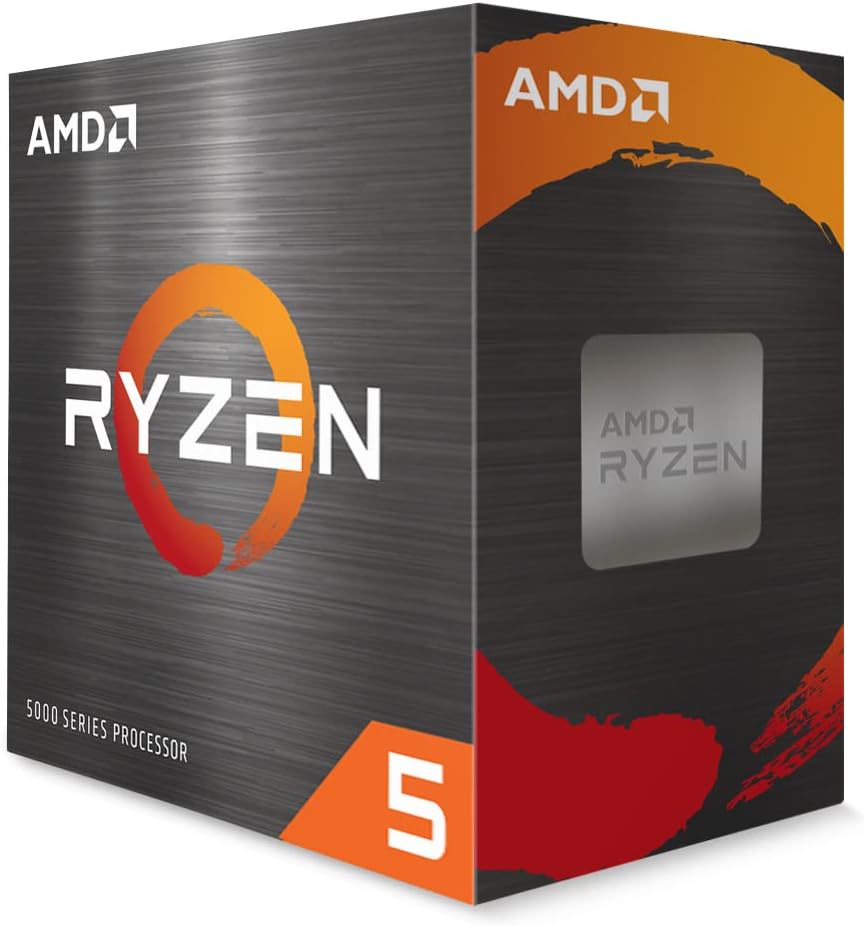
The AMD Ryzen 5 5500 leads with strong efficiency and performance. It holds a 4.7-star rating and stands out for offering six cores and twelve threads while maintaining moderate power draw.
We may earn a commission when you buy through this link, at no additional cost to you.
Its 4.2 GHz boost clock handles demanding workloads. The Wraith Stealth cooler simplifies setup. This makes it ideal for users seeking smooth multitasking and solid gaming without high power bills.
Trade-offs include requiring a discrete GPU and not being the absolute lowest-watt option. These are acceptable since it delivers high performance per watt for general desktops and light workstations.
Buy this if you want balanced power and headroom. It suits gamers, creators, and home server admins who need more threads but still care about thermal limits.
Overclocking support lets you squeeze extra speed when needed, maximizing the chip's potential.
AM4 socket compatibility means easier upgrades on existing boards without changing the entire platform.
We may earn a commission when you buy through this link, at no additional cost to you.
The Intel Celeron G5900 is a great entry pick. It has a 4.5-star rating and shines for its modern socket and modest wattage, making it perfect for basic home or office PCs.
We may earn a commission when you buy through this link, at no additional cost to you.
Its 3.4 GHz clock ensures snappy web and document tasks. LGA1200 compatibility means you can upgrade later. This fits users needing reliable performance without high power costs or complex cooling.
Trade-offs include limited cores and threads. Heavy multi-tasking will struggle. Still, for light use, these limits are acceptable and keep thermals and electricity bills low.
Buy this if you build a budget PC or small server. It suits students, families, and office users who need simple computing with room for future upgrades.
LGA1200 socket support lets you swap in stronger CPUs later without replacing the motherboard.
Optane Memory support adds storage acceleration for smoother boot and load times on older drives.
We may earn a commission when you buy through this link, at no additional cost to you.
The Intel I-7 2600S is a legacy favorite. It holds a 3.9-star rating and stands out for quad-core power with low heat. This suits users repurposing older boards for quiet PCs.
We may earn a commission when you buy through this link, at no additional cost to you.
Its 2.8 GHz speed keeps daily tasks moving. The low power model designation reduces wattage. This makes it a quiet option for media centers or light home servers using existing hardware.
Trade-offs include dated DDR3 support and older efficiency. These are acceptable if you already own compatible boards. It avoids extra costs for upgrades while keeping energy use reasonable.
Buy this if you extend old hardware life. It suits retro PC hobbyists and users needing a cheap, quiet CPU for basic computing tasks.
Reduced heat means quieter fans, perfect for living rooms or silent workstation setups.
Works with existing boards, letting you upgrade a CPU without replacing the whole system.
We may earn a commission when you buy through this link, at no additional cost to you.
The AMD Athlon 200GE is great for budget builds. It has a 4.4-star rating and stands out for Vega graphics and low noise. This makes it ideal for basic home PCs without a dedicated GPU.
We may earn a commission when you buy through this link, at no additional cost to you.
Its 3.2 GHz clock handles daily tasks smoothly. The included near-silent cooler keeps noise down. This fits users needing quiet, efficient computing for browsing, streaming, and office apps.
Trade-offs include limited multi-threading and raw power. These are acceptable for non-gaming tasks. The integrated GPU saves costs while keeping system complexity and energy use low.
Buy this if you need a silent, cheap PC. It suits first-time builders, media centers, and budget workstations where simplicity and quiet are priorities.
Radeon Vega graphics let you skip a dedicated GPU, reducing cost and power draw.
AM4 socket allows future upgrades to Ryzen CPUs without changing the motherboard.
We may earn a commission when you buy through this link, at no additional cost to you.
The Intel Celeron G3900 is a top budget pick. It holds a 4.6-star rating and stands out for stability and low wattage. This makes it perfect for entry-level PCs and kiosks.
We may earn a commission when you buy through this link, at no additional cost to you.
Its 2.8 GHz speed keeps web and office tasks smooth. The Skylake architecture ensures compatibility with older boards. This fits users needing reliable performance without high costs or power use.
Trade-offs include limited cores and older socket. These are acceptable for single-task light work. It keeps costs minimal while maintaining consistent, quiet operation.
Buy this if you need a cheap, stable CPU. It suits kiosks, digital signage, and basic home PCs where simplicity matters.
Retail box means better support and easier returns compared to tray-only options.
Minimal wattage reduces electricity costs, ideal for always-on home server tasks.
We may earn a commission when you buy through this link, at no additional cost to you.
The Intel Celeron G4900 is a solid mid-budget choice. It holds a 4.3-star rating and stands out for including a thermal solution and modest speed. This makes it perfect for quick office builds.
We may earn a commission when you buy through this link, at no additional cost to you.
Its 3.1 GHz base clock keeps apps responsive. The 300 series chipset support ensures compatibility. This fits users needing easy setup without separate cooler costs or high power use.
Trade-offs include limited threading and older socket. These are acceptable for single-user tasks. It keeps cooling and electricity costs low while ensuring stable performance.
Buy this if you need a ready-to-use CPU. It suits small offices, home study PCs, and users wanting simplicity and low heat.
A cooler is included, saving time and money on separate cooling purchases.
3.1 GHz base keeps apps responsive, balancing performance and power draw effectively.
We may earn a commission when you buy through this link, at no additional cost to you.
The Intel Celeron G3900 SR2HV is great for compact builds. It holds a 4.1-star rating and stands out for low wattage and compact size. This makes it ideal for quiet, small form PCs.
We may earn a commission when you buy through this link, at no additional cost to you.
Its 2.8 GHz speed keeps basic apps running. Integrated HD Graphics 510 simplifies display setup. This fits users needing low heat and quiet operation in tight spaces.
Trade-offs include no included cooler and limited multi-tasking. These are acceptable for single-task workloads. It keeps power and heat minimal for efficient operation.
Buy this if you need a quiet, small CPU. It suits HTPCs, media servers, and compact desktops where heat and noise matter.
51W TDP reduces cooling needs, letting fans stay quiet or off in well-ventilated cases.
ECC memory support improves data integrity, useful for small home servers and NAS.
We may earn a commission when you buy through this link, at no additional cost to you.
The Intel Celeron G5905 is a solid modern entry pick. It holds a 4.5-star rating and stands out for higher clock and boxed packaging. This makes it great for new, simple PCs.
We may earn a commission when you buy through this link, at no additional cost to you.
Its 3.5 GHz base clock speeds up tasks. LGA1200 socket ensures future upgrade paths. This fits users wanting current platforms with low power and quiet operation.
Trade-offs include limited cores and multi-tasking. These are acceptable for office apps. It keeps system costs and heat low while ensuring stability.
Buy this if you need a current, reliable CPU. It suits new builds, home offices, and users needing quick, simple computing with upgrade options.
3.5 GHz base keeps apps snappy, improving responsiveness in daily workflows.
Boxed version simplifies returns and ensures complete support with included documentation.
We may earn a commission when you buy through this link, at no additional cost to you.
The Mini-ITX Motherboard with CPU is a top premium pick. It holds a 4.1-star rating and stands out for integrated power and networking. This makes it ideal for home servers and NAS.
We may earn a commission when you buy through this link, at no additional cost to you.
Its quad-core 8-thread CPU handles virtualization. Dual 2.5G LAN ports speed up transfers. This fits users needing secure, efficient storage and network appliances with low energy use.
Trade-offs include a sleep mode bug and complex power needs. These are acceptable for headless servers. It delivers powerful, efficient operation in a compact design.
Buy this if you need a premium server. It suits NAS admins, firewall users, and virtualization enthusiasts needing integrated efficiency and connectivity.
Dual 2.5G LAN ports provide fast network speeds without add-in cards.
Mini-ITX form fits tight enclosures, ideal for industrial or home server use.
We may earn a commission when you buy through this link, at no additional cost to you.
Selecting a low power CPU depends on use case, thermal limits, and socket compatibility. This section outlines key factors to guide your choice.
More cores and threads improve multi-tasking and virtualization. For basic office work, dual-core may suffice. For NAS or media, six cores offer better headroom without high power use.
Pick at least four threads for smooth multitasking. Match core counts to your workloads.
TDP indicates maximum heat output and power draw. Lower TDP reduces cooling needs and electricity. For compact builds, target 15W–65W. For quiet PCs, below 45W is ideal.
Check TDP first for noise and cooling. Keep it low for efficiency.
Base clock ensures consistent performance under load. Boost clock adds speed for short bursts. For server apps, higher base is better. For gaming, boost matters more.
Aim for balanced clocks. Ensure base stays high for steady throughput.
Socket defines motherboard compatibility. AM4 offers great value. LGA1200 supports newer Intel features. Choose sockets that allow future upgrades to extend hardware life.
Pick sockets with upgrade paths. Match chipset to needed features.
Integrated graphics remove GPU costs and power use. AMD Vega and Intel HD graphics suit light displays. Check resolution support for HDMI and DisplayPort needs.
Use integrated graphics for simple setups. Ensure video outputs match monitors.
Supported RAM types and speeds affect performance. DDR4 is standard. Higher speeds improve throughput. Check ECC support for data integrity in servers.
Match RAM to specs. Ensure capacity meets virtualization or storage needs.
Boxed CPUs include coolers and simplify setup. Tray units may not. For quiet PCs, choose boxed models. For custom cooling, tray works but requires planning.
Check if a cooler is included. Factor this into total costs.
Look for NVMe support, USB ports, and PCIe lanes. Servers need multiple M.2 slots. Workstations need PCIe expansion. Ensure the platform meets connectivity needs.
Prioritize ports and lanes you need. Verify expansion options match use.
Install the CPU correctly using aligned pins or notches. Apply thermal paste evenly before mounting the cooler. Ensure all power connectors are seated to avoid boot issues.
Keep airflow clear in your case. Clean dust from fans and heatsinks every few months. Use BIOS settings to monitor temperatures and set fans to adjust to load.
Update drivers and BIOS regularly. Keep power settings balanced for efficiency. For servers, enable low-power features to reduce draw during idle.
A low power CPU uses less electricity and produces less heat. Choose one for compact builds, silent PCs, or always-on systems like home servers. These chips keep cooling needs and energy costs down while delivering solid daily performance.
Not necessarily. Many low power models offer high efficiency per watt. While peak clock may be lower, optimized architectures and higher core counts ensure smooth multitasking. You often get the best performance for the power budget.
For NAS, look for models with integrated graphics and multiple PCIe lanes. Options with dual 2.5G LAN and ECC support are ideal. These provide data integrity and fast transfers without extra GPU power draw.
Most low power CPUs work well with stock coolers. For quiet builds, aftermarket silent fans help. Ensure case airflow is clear. You do not need large radiators unless overclocking or running full loads.
Yes, models with more cores and hyperthreading work well for virtualization. Check BIOS for VT-x or SVM support. With enough threads, you can run multiple VMs efficiently without high power use.
Verify the socket type matches. Also ensure chipset support via manufacturer documentation. Check BIOS compatibility for older boards. Updating firmware may be needed for newer chips to work correctly.
TDP matters for cooling and power. It helps size fans and estimate energy. Also check core count and cache for performance. Balance TDP with workload needs for the best overall system.
Entry low power CPUs handle lightweight gaming. For heavy gaming, pick models with strong boost clocks. Pair with a discrete GPU. Many options deliver 100+ FPS in popular titles at low power.
We highlighted ten top low power CPUs ranging from budget dual-cores to premium integrated boards. Each offers solid efficiency for specific roles like NAS, home office, or compact desktops.
Prioritize TDP, core count, and socket. Match them to your workload. For silent PCs, choose models with included coolers. For servers, prioritize connectivity and ECC support.
Prices and availability change. Verify current listings before buying. These models remain top picks for users valuing efficiency, quiet operation, and reliable performance.