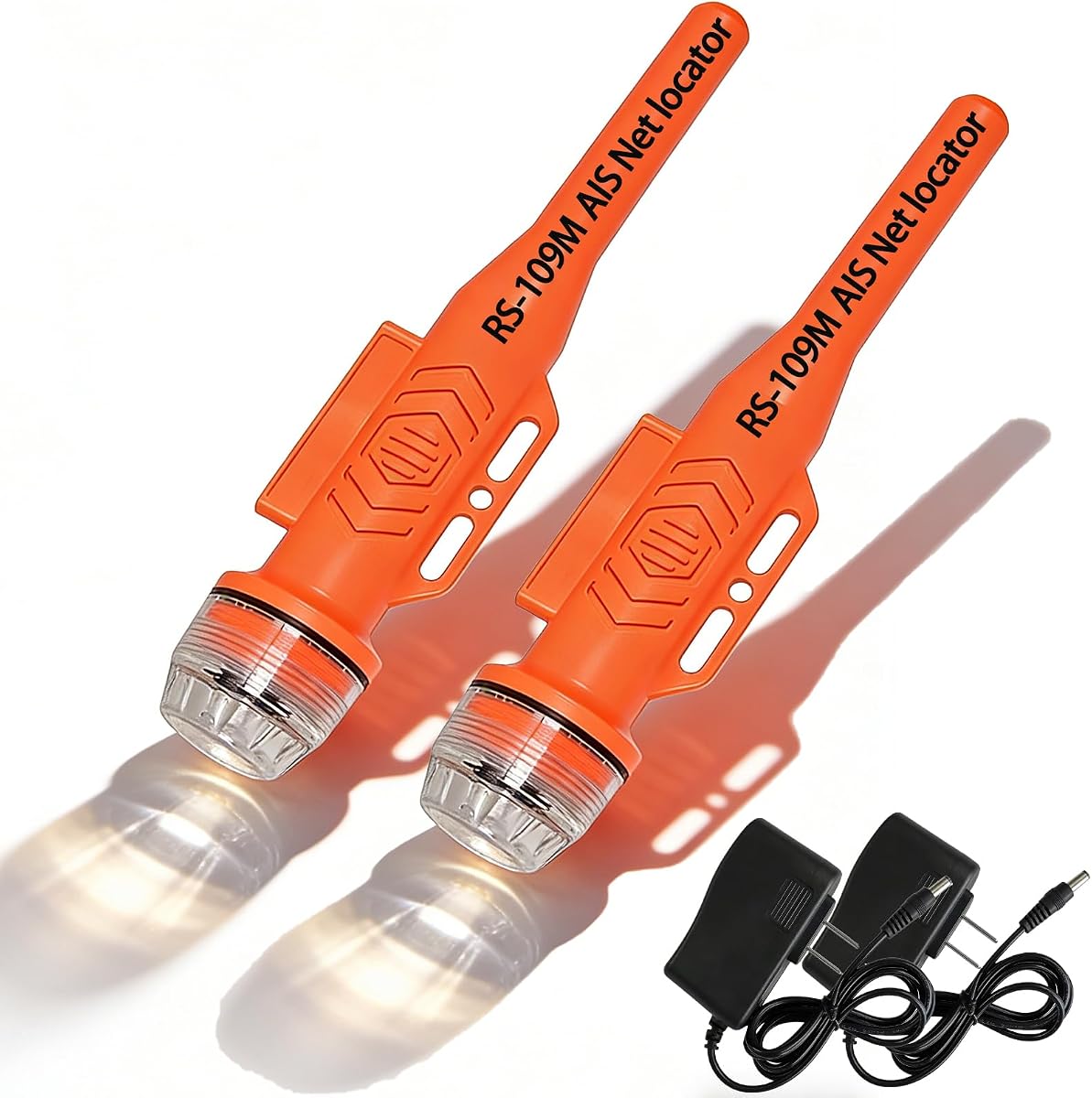
RS-109M Marine Net Locator
4.5Editor score
IPX7 Waterproof Design
Extended Battery Life
Accurate GPS Positioning
This guide compares the top 10 AIS transponders for marine safety including Class A and B models featuring GPS navigation and collision alarms for 2026.
AIS transponders are essential for modern marine safety allowing vessels to broadcast and receive critical identification data in real time ensuring safer navigation in busy waterways.
We compared ten top rated models based on their features compatibility range and user reviews to help you find the right unit for your specific boating needs and budget requirements.
Each pick below highlights key specifications and pros cons to guide your decision keeping in mind that prices and availability may change so check current listings before purchasing your gear.
4.5Editor score

4.8Editor score
4.9Editor score
The following table provides a quick side-by-side look at the key specifications and features of the top ten AIS transponder models selected for this comprehensive review guide.




The Icom MA-510TR stands out as a top choice for boaters seeking reliable AIS functionality with a user friendly display and robust feature set for safe navigation.
We may earn a commission when you buy through this link, at no additional cost to you.
Its vibrant 4.3 color display makes it easy to read vital vessel data even in bright sunlight while the integrated GPS ensures accurate positioning without external devices.
Although the price is higher than some budget options the build quality and extensive features like silent mode and collision alarms justify the investment for serious mariners.
This unit is ideal for captains who prioritize clear data visualization and advanced safety features ensuring peace of mind during coastal and offshore voyages.
The clear display and collision alarms help you spot nearby traffic quickly reducing the risk of accidents in crowded waters.
USB connectivity and NMEA compatibility allow seamless integration with existing marine electronics and chartplotters on your boat.
We may earn a commission when you buy through this link, at no additional cost to you.
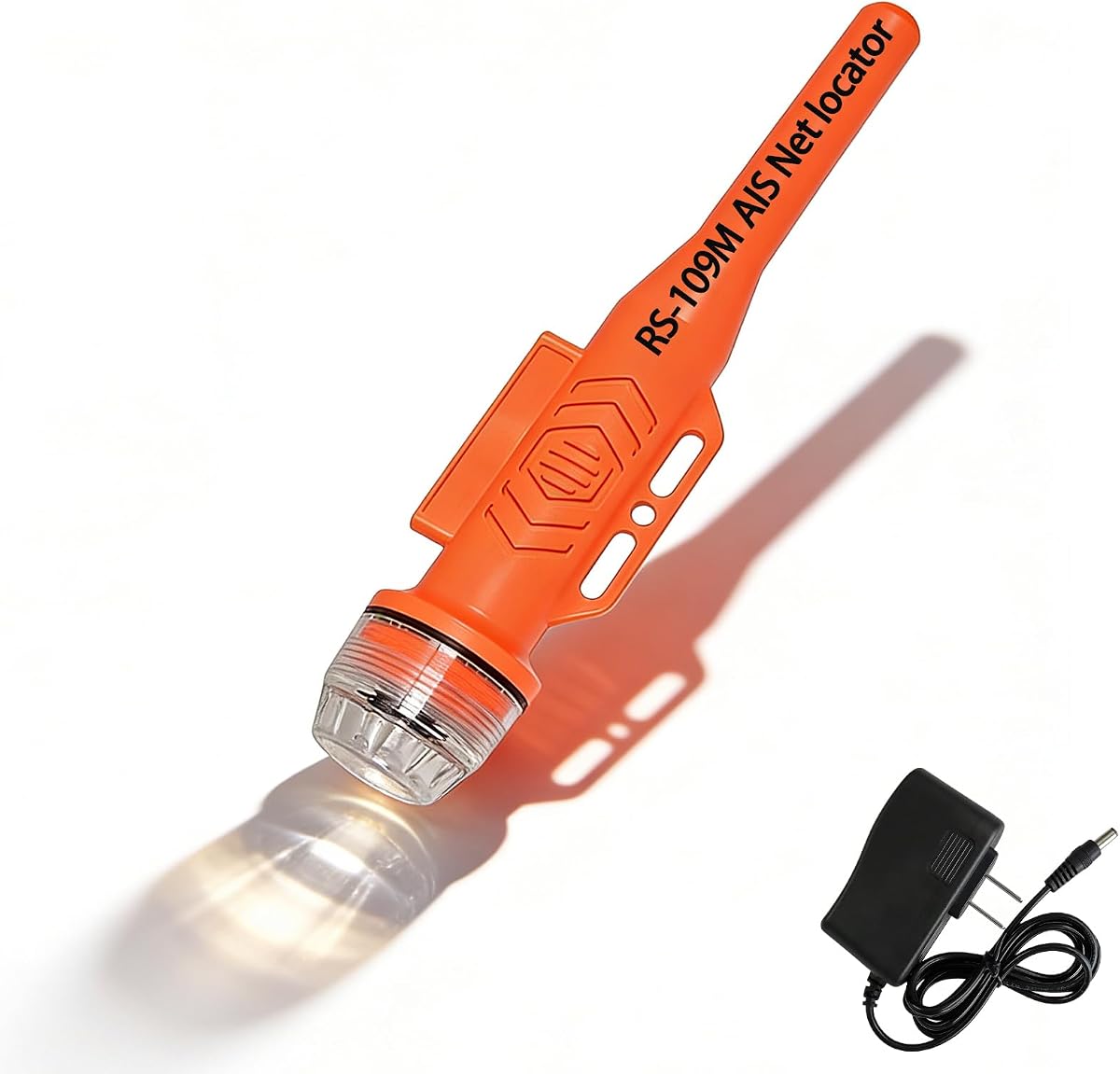
The RS-109M offers an affordable entry point into AIS tracking specifically designed for buoy and net tracking with reliable GPS and waterproof durability.
We may earn a commission when you buy through this link, at no additional cost to you.
Its high sensitivity GPS module and extended battery life mean you can track gear for weeks without worrying about power loss or signal accuracy.
While it lacks the onboard display of full transponders its focused function for buoys makes it a practical tool for commercial and sport fishermen alike.
Buy this if you need cost effective tracking for fishing nets or markers and want reliable performance without breaking the bank.
The IPX7 waterproof design ensures the device survives submerged conditions keeping your gear safe and tracked in tough environments.
With a ten nautical mile range you get clear coverage across coastal waters ensuring your buoys are visible to nearby vessels.
We may earn a commission when you buy through this link, at no additional cost to you.
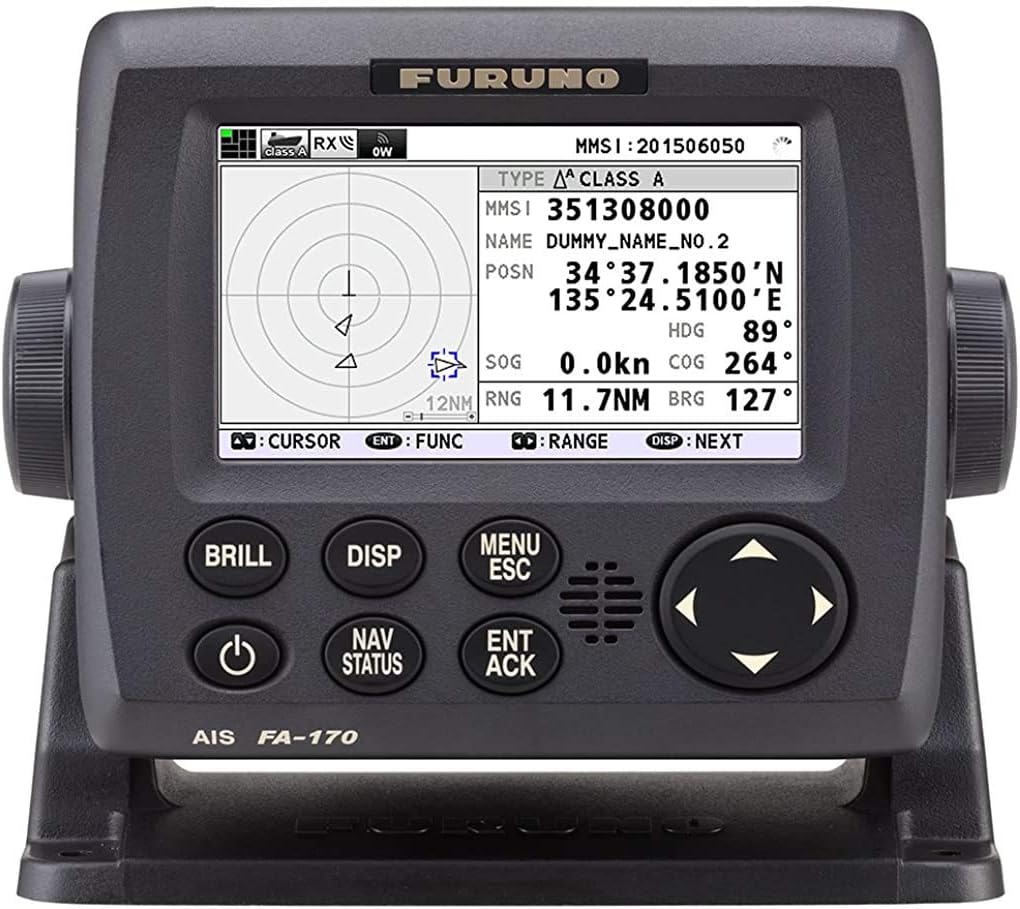
The Furuno FA170 is a professional grade Class A transponder designed for vessels requiring high performance tracking and extensive data handling capabilities.
We may earn a commission when you buy through this link, at no additional cost to you.
Its ability to store over two thousand AIS targets and provide dangerous target lists gives operators unmatched awareness of the maritime traffic environment.
Installation requires some technical know due to the multiple ports but the robust connectivity options support complex marine network configurations easily.
This unit is perfect for commercial ships and professional operators who need the highest level of AIS performance and regulatory compliance.
The dangerous target list feature automatically flags risky vessels allowing you to take proactive evasive action before issues arise.
Multiple input output ports plus a LAN port ensure seamless integration with sophisticated shipboard networks and monitoring systems.
We may earn a commission when you buy through this link, at no additional cost to you.
This bundle combines a reliable VHF radio with an AIS system offering a complete communication and safety solution for Raymarine ecosystem users.
We may earn a commission when you buy through this link, at no additional cost to you.
The high rating reflects user satisfaction with the integration and ease of setup making it a straightforward upgrade for existing Raymarine owners.
While it relies on existing display units for full functionality the convenience of buying a matched set simplifies installation and maintenance significantly.
Consider this if you already own Raymarine gear and want a seamless upgrade path for enhanced communication and collision avoidance.
Designed for Raymarine displays the bundle ensures all components work together without compatibility headaches or extra cables.
Having both VHF and AIS in one package ensures you can communicate and see traffic simultaneously for complete situational awareness.
We may earn a commission when you buy through this link, at no additional cost to you.
The ACR RESQLINK is a personal safety beacon that transmits distress alerts via AIS ensuring nearby vessels can quickly locate you in an emergency.
We may earn a commission when you buy through this link, at no additional cost to you.
Its return link service provides confirmation that rescue services received your signal offering peace of mind for offshore anglers and boaters.
While not a ship transponder it complements vessel systems by protecting individuals who might fall overboard or get separated from the boat.
Every sailor should consider this beacon as part of their emergency gear to enhance personal safety and rescue chances in critical situations.
The compact design makes it easy to attach to life jackets ensuring you are locatable even if separated from your vessel.
Return link service confirms distress signal receipt alerting you when help is on the way reducing anxiety during emergencies.
We may earn a commission when you buy through this link, at no additional cost to you.
This single unit version of the RS-109M provides all the tracking benefits of the bundle for those needing one reliable buoy tracker.
We may earn a commission when you buy through this link, at no additional cost to you.
The IPX7 waterproof design ensures it survives harsh marine environments while the accurate GPS keeps your gear location precise for easy recovery.
It is a straightforward tool for fishermen who need to track a single net or marker without the extra cost of a multi pack.
Perfect for smaller operations or individuals who need a dependable tracking solution for essential gear without complex setup.
Fully sealed housing guarantees operation even when submerged protecting the electronics from saltwater and impact damage.
Real time battery updates let you know when to recharge or replace power sources keeping your tracking active continuously.
We may earn a commission when you buy through this link, at no additional cost to you.
The Icom M94D is a handheld VHF transceiver with built-in AIS receiver capabilities bringing safety features to a portable format.
We may earn a commission when you buy through this link, at no additional cost to you.
Its floating design with flash function and loud audio ensure that communication and safety are maintained even in rough noisy conditions.
While it is a receiver not a transponder it provides significant situational awareness without the bulk of a fixed unit.
Ideal for kayakers and small boat skippers who want advanced safety features in a compact durable package that fits in a pocket.
Compact and floating this radio ensures you stay connected and visible even if it slips into the water accidentally.
The high output speaker ensures calls are heard clearly over engine noise and wind keeping communication effective and reliable.
We may earn a commission when you buy through this link, at no additional cost to you.
The Icom M510 EVO brings modern connectivity and AIS integration to a compact fixed mount VHF unit suitable for contemporary boats.
We may earn a commission when you buy through this link, at no additional cost to you.
Its support for NMEA 2000 allows it to communicate seamlessly with other modern marine electronics providing a unified network experience.
Although it depends on external displays for full traffic visualization the integrated receiver enhances safety without needing a separate box.
Select this model if you are upgrading to a modern NMEA 2000 system and want a VHF radio that speaks your network language.
NMEA 2000 compatibility ensures smooth data exchange with chartplotters and instruments for a cohesive cockpit setup.
The space saving design fits easily on crowded dashboards while still delivering full VHF and AIS performance.
We may earn a commission when you buy through this link, at no additional cost to you.
This Class B transponder is tailored for Raymarine users offering full transmit and receive AIS capabilities for enhanced situational awareness.
We may earn a commission when you buy through this link, at no additional cost to you.
The built-in antenna splitter simplifies installation by allowing use of a single VHF antenna which saves space and reduces cable clutter.
While reviews are mixed the integration benefits with SeaTalkng make it a solid option for those already invested in the Raymarine ecosystem.
Choose this if you need a cost effective Raymarine specific upgrade that supports standard Class B AIS functions with minimal installation effort.
Built-in splitter lets you share one antenna for both radio and AIS saving space on crowded masts and railings.
Support for SeaTalkng ensures fast reliable data transfer between the transponder and navigation displays for accurate tracking.
We may earn a commission when you buy through this link, at no additional cost to you.
The EM-TRAK NF-189 is a straightforward Class B transponder designed for basic AIS needs without complex features or bulky design.
We may earn a commission when you buy through this link, at no additional cost to you.
Its compact size and standard 12/24 volt power input make it easy to install on smaller boats with limited space and power options.
While it offers standard Class B performance it lacks advanced networking options making it a functional but basic choice.
This unit works well for recreational boaters who simply need to broadcast position and receive traffic alerts without advanced customization.
Small design ensures it fits easily in tight spaces without cluttering your vessel electronics panel.
Class B compatibility ensures your vessel is visible to other ships supporting standard maritime safety protocols.
We may earn a commission when you buy through this link, at no additional cost to you.
Selecting the right AIS transponder depends on your vessel type intended use and existing marine electronics setup.
Class A transponders are mandatory for commercial vessels and offer higher transmit power and update rates whereas Class B models are ideal for recreational boats.
Choose Class B for personal use to save cost and ensure compliance with regulations for your specific vessel type.
A full transceiver can both broadcast your position and receive traffic data while a receiver only allows you to see others.
For safety and regulatory compliance a transceiver is generally recommended if you need to be visible to other vessels.
Units with built-in displays offer immediate access to traffic info without needing a chartplotter whereas hidden units rely on external screens.
If you have a modern navigation screen a hidden unit keeps your console clean but requires proper setup.
Look for NMEA 2000 or SeaTalkng compatibility if you have modern electronics to ensure seamless data integration.
Standard NMEA 0183 is still common on older setups so verify your system needs before purchasing.
Most units run on 12 or 24 volts so check your boat's power system to ensure compatibility and reliable operation.
Portable units often use internal batteries but fixed units should have a stable power source for constant use.
Some models include built-in splitters to share the VHF antenna while others require a dedicated antenna for best performance.
Plan your antenna layout carefully to avoid interference and ensure clear signal transmission and reception.
Features like collision alarms anchor watches and silent modes add layers of safety and convenience for active boaters.
Prioritize models with useful alarms if you often anchor or sail in congested waters where awareness is critical.
Established brands often provide better customer support and firmware updates which are crucial for long term reliability.
Research warranty terms and local support availability to ensure you can get help if issues arise.
Install the transponder at a high point on the vessel with clear line of sight to the antenna and away from metal obstructions.
Enter your vessel details accurately including MMSI number and name during setup to ensure proper identification on other screens.
Regularly test the unit using self test modes and keep the firmware updated via USB or network connection to maintain optimal performance.
While not always mandatory for small boats it is highly recommended for safety allowing other vessels to see your position clearly.
Class A offers higher power and update rates for commercial ships while Class B is more affordable for recreational boaters.
Many units integrate with VHF radios but some require a separate radio or splitter for shared antenna use.
Range depends on antenna height and power but typically extends up to 20 nautical miles line of sight for standard units.
Most modern units include internal GPS but some older models require an external NMEA GPS connection.
Use USB or network connections to download firmware updates from the manufacturer to ensure compatibility and performance.
AIS data is public for safety purposes so your position is visible to all nearby receivers and tracking websites.
Test the unit before every trip and perform a full system check annually to ensure it is functioning correctly.
The top picks highlight reliable options ranging from the versatile Icom MA-510TR to the budget friendly RS-109M tracker.
Prioritize your specific needs such as display quality connectivity and range to find the perfect fit for your boat.
Always verify current availability and pricing before purchase as market conditions can change quickly for marine electronics.