
Capture Card 4K HDMI Video Streaming to USB 3.0
4.4Editor score
1080P 60FPS video quality
Plug-and-Play USB setup
Universal HDMI device compatibility
This guide compares ten top capture cards for streaming high FPS gameplay, evaluating performance, latency, and compatibility for creators seeking smooth
Streaming high FPS gameplay requires hardware that keeps up with fast motion without lag. A quality capture card ensures your audience sees every frame clearly. Choosing the right device depends on your setup, budget, and specific streaming needs. We review the top options available now to help you decide.
We evaluated these products based on resolution support, frame rate capabilities, and latency performance. Compatibility with consoles and PCs was a key factor in our selection process. Each item offers unique strengths for different types of content creators. Our analysis helps you find the best fit for your workflow.
Each pick shows key specs and real-world usage scenarios for high FPS streaming. Prices may change due to market fluctuations and seasonal sales events. Always verify current details before purchasing to ensure you get the latest version. This guide aims to simplify your decision-making process significantly.
4.4Editor score
4.5Editor score

4.5Editor score
This side-by-side comparison highlights the key specifications and performance metrics of ten leading capture cards for high FPS streaming. Each entry is designed to help you quickly identify which model matches your resolution, frame rate, and connectivity needs without deep diving into manuals.


This capture card offers a budget-friendly entry point for streamers wanting smooth 1080P gameplay. It delivers solid 60FPS performance with minimal latency for most gaming titles. The USB 3.0 connection ensures stable data transfer to your PC without extra power cables. Ideal for beginners building their first streaming station.
We may earn a commission when you buy through this link, at no additional cost to you.
Users appreciate the plug-and-play functionality that works immediately with popular software like OBS and Streamlabs. The universal compatibility supports various consoles including PS5 and Xbox Series X without hassle. Video quality remains crisp during fast motion scenes thanks to optimized processing. This reliability helps maintain viewer engagement during live sessions.
While it does not support higher frame rates like 120FPS it meets standard streaming requirements effectively. Some users may find the plastic build feels less durable than premium models over time. These trade-offs are acceptable given the low cost and reliable performance for casual creators. It proves you do not need expensive gear to start.
We recommend this for new streamers on a tight budget who prioritize ease of use. It allows you to focus on content creation rather than technical configuration issues. Check compatibility with your specific camera settings before purchasing to ensure smooth operation. This device sets a strong foundation for growing your channel professionally.
The plug-and-play design means you can start streaming within minutes of unboxing.
It works seamlessly with Nintendo Switch PS5 and Xbox Series X for versatile gaming.
We may earn a commission when you buy through this link, at no additional cost to you.
This device stands out by accepting high refresh rate inputs up to 144Hz for future-proofing. It captures video at 1080P 60FPS which suits most streaming platforms effectively. The built-in microphone input allows you to add voice commentary without extra hardware. This makes it versatile for gamers who want integrated audio solutions.
We may earn a commission when you buy through this link, at no additional cost to you.
The loop-out feature ensures you experience zero lag while playing on your monitor directly. Software compatibility covers major platforms like Twitch YouTube and OBS for flexible broadcasting. Users report stable performance during long streaming sessions without dropped frames or freezes. The automatic input detection simplifies the transition between different gaming devices easily.
One limitation is the output resolution which stays at 1080P even with 4K inputs. Audio setup sometimes requires manual tweaking to match the video timing perfectly in OBS. These minor issues do not outweigh the benefits of high input support and ease of use. It remains a solid choice for mid-range streamers.
Consider this model if you need high input refresh rates without breaking the bank. It balances performance and affordability well for those upgrading from older basic capture cards. Always test your mic input before going live to avoid audio sync issues. This device helps you deliver professional quality content consistently.
Accepts 1080P at 120 or 144Hz to preserve smooth motion from source.
The 3.5mm mic port lets you record commentary directly without extra mixers.
We may earn a commission when you buy through this link, at no additional cost to you.
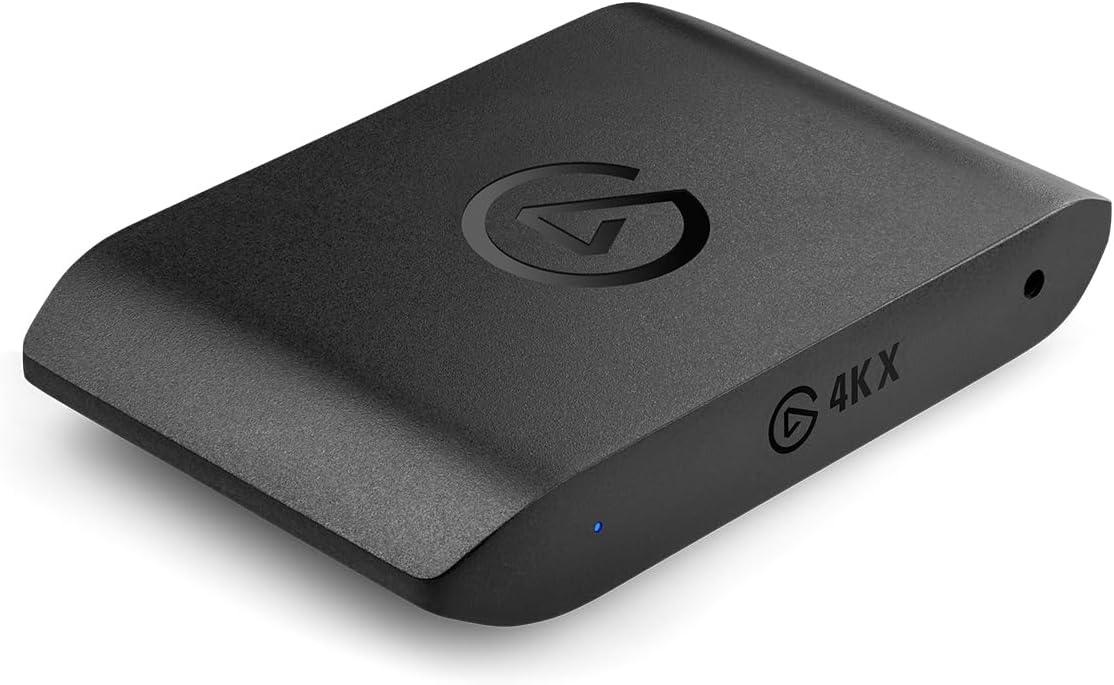
The Elgato 4K X Capture Card delivers exceptional performance for serious content creators. It supports up to 4K resolution at 144 frames per second ensuring buttery smooth gameplay. The HDMI 2.1 ports enable high bandwidth data transfer essential for high FPS streaming. This device sets a new standard for external capture quality and reliability.
We may earn a commission when you buy through this link, at no additional cost to you.
VRR passthrough ensures your gameplay remains free from screen tearing during intense competitive matches. The USB 3.2 Gen 2 connection guarantees rapid data handling without bottlenecks. Software integration is seamless across platforms like OBS Streamlabs and Twitch Studio. Viewers receive a polished experience thanks to the refined output quality.
The main drawback is the premium price tag compared to budget alternatives on the market. It also demands a powerful PC to handle the high resolution data streams effectively. These requirements are justified if you prioritize top-tier visual fidelity and low latency above all. It is an investment for serious growth.
We recommend this for streamers targeting high-end gaming audiences who demand pristine visuals. It future-proofs your setup against upcoming consoles that push higher refresh rates. Ensure your USB ports support the required speed before connecting for optimal results. This card provides the performance needed to stand out in a crowded market.
Designed to minimize delay between gameplay and broadcast for real-time responsiveness.
VRR support eliminates screen tearing for a smooth uninterrupted viewing experience.
We may earn a commission when you buy through this link, at no additional cost to you.
This capture card balances high frame rate recording with flexible connectivity options well. It supports 1080P at 120FPS which is crucial for competitive gaming streams. The option to use USB A or C cables ensures compatibility with diverse laptop setups. Audio ports allow direct integration of headsets for commentary without extra adapters.
We may earn a commission when you buy through this link, at no additional cost to you.
The plug-and-play nature works across Windows Mac Linux and even iPadOS effectively. Video formats like NV12 offer flexibility for professional streaming workflows. Users report stable performance during high intensity gaming sessions without dropped frames. This reliability makes it a strong contender for intermediate streamers on a budget.
While it handles high FPS inputs well the 4K capture is limited to 60FPS. Some users note the build feels lighter than premium alternatives over time. These trade-offs are minor considering the cost savings and functional versatility offered today. It remains a practical choice for versatile content creation needs.
Consider this device if you need high frame rate recording with flexible port options. It serves well for mobile creators who switch between different devices frequently. Test your audio setup to ensure levels are balanced before streaming live. This card helps you maintain quality without complex technical configurations.
Both USB A and C ports ensure compatibility with various laptop and desktop setups.
Works seamlessly across Windows Mac Linux and iPadOS for broad accessibility.
We may earn a commission when you buy through this link, at no additional cost to you.
This capture card focuses on delivering crisp video quality with YUY2 technology. It supports 4K input while maintaining smooth 1080P 60Hz output for streams. The mic-in port lets you add voice commentary directly without extra gear. This simplicity appeals to creators who want a streamlined setup quickly.
We may earn a commission when you buy through this link, at no additional cost to you.
Plug-and-play functionality means you can start capturing immediately without installing drivers. The compact design makes it easy to transport between gaming setups or events. Users appreciate the low latency performance that keeps gameplay and broadcast in sync. It offers a reliable solution for consistent content production needs.
One limitation is the lack of high frame rate output beyond 60Hz. Some users find device setup requires initial tweaks for optimal results. These are manageable issues given the affordable price point and solid performance today. It remains a good entry point for growing channels.
We recommend this for streamers seeking reliable performance with minimal setup hassle. It works well for daily streaming tasks where color accuracy matters. Check your console settings to ensure compatibility with the loop-out feature. This device helps you focus on content rather than technical hurdles.
YUY2 technology delivers richer colors for a more lifelike streaming experience.
Small and lightweight design fits easily in bags for on-the-go streaming.
We may earn a commission when you buy through this link, at no additional cost to you.
This device excels in handling high refresh rate passthrough for competitive gaming. It supports 1080p at 240Hz ensuring your monitor stays responsive without lag. HDR and VRR features enhance visual quality for a smoother gaming experience. The utility software allows fine-tuning of settings for optimized performance.
We may earn a commission when you buy through this link, at no additional cost to you.
Users can adjust video settings and audio mixing through the dedicated CapHub app. Real-time operation parameters help you monitor performance metrics during streams easily. The smart switch offers easy display control without diving deep into menus. This level of control appeals to advanced streamers who need precision.
The main drawback is the need for utility software to unlock full features. Some users find the mid-range price higher than basic competitors. These factors are acceptable if you need high refresh rates and advanced tuning options. It provides a balance of features and performance effectively.
Consider this if you play competitive games that demand high refresh rates. It ensures your setup handles next-gen console output without bottlenecks. Verify your monitor supports VRR for the best experience possible. This card delivers the flexibility needed for high-level streaming setups.
Supports 1080p at 240Hz for zero lag gaming while recording simultaneously.
CapHub app lets you customize settings and update firmware easily.
We may earn a commission when you buy through this link, at no additional cost to you.
This capture card is certified for OBS ensuring optimal performance on Twitch platforms. It delivers 1080P up to 120FPS which is perfect for smooth gameplay recording. The near-zero latency design ensures you stay in sync with your audience during live broadcasts. Durability is enhanced by the tough alloy outer shell.
We may earn a commission when you buy through this link, at no additional cost to you.
HDR passthrough maintains image quality for a visually stunning experience on your monitor. The USB 3.2 Type-C connection provides high-speed data transfer reliably. Users can share audio from team comms directly to viewers easily. This integration simplifies your setup and reduces external cabling needs.
The primary limitation is the 4K recording cap at 30FPS for slower motion. Some users find color options limited compared to high-end models. These trade-offs are acceptable for streamers focused on 1080P content production. It offers reliability and professional certification for growing creators.
We recommend this for streamers who prioritize OBS compatibility and build quality. It suits those needing a durable device for frequent travel or events. Check your PC USB ports for Type-C support before purchasing. This card delivers professional-grade reliability for daily streaming needs.
Certified for OBS Studio to ensure optimal usage on major platforms.
Alloy outer shell improves durability over time while maintaining a slim footprint.
We may earn a commission when you buy through this link, at no additional cost to you.
This capture card excels at handling high refresh rates like 144Hz and 240Hz. It ensures lossless passthrough so you see the same image as your stream. HDR and VRR support deliver tear-free visuals for a responsive gaming experience. The dedicated audio port gives you professional mixing control easily.
We may earn a commission when you buy through this link, at no additional cost to you.
Users report smooth motion and clear details in recording thanks to optimized encoding. The USB-C connection ensures stable data transfer for 4K streaming sessions. True plug-and-play means you can start creating immediately without extra drivers. This reliability makes it ideal for competitive gaming content creation.
The main limitation is that 4K recording stays at 60Hz instead of higher rates. Some users find setup requires initial tweaks for optimal video levels. These trade-offs are minimal for those prioritizing high frame rates and color. It remains a strong contender for versatile content creators today.
Consider this model if you play on high refresh monitors or next-gen consoles. It handles ultrawide monitors and competitive matches effectively without cropping. Always verify your PC USB-C port supports high speed for best results. This device helps you deliver crisp fluid gameplay footage professionally.
No cropping or image compression during live streaming for original quality.
Take control of audio with a dedicated 3.5mm port for voice chat.
We may earn a commission when you buy through this link, at no additional cost to you.
This internal capture card delivers exceptional performance with HDMI 2.1 support. It enables refresh rates up to 240Hz ensuring ultra-smooth gameplay recording. Being internal reduces latency and frees up USB ports for other gear. It is designed for serious creators who need stable high frame rate performance.
We may earn a commission when you buy through this link, at no additional cost to you.
The ultra-low latency ensures your broadcast remains in sync with gameplay. Users report reliable performance during intense competitive sessions without drops. It integrates cleanly into your PC without external cables cluttering the desk. This stability is crucial for maintaining viewer trust during live streams.
The main drawback is the requirement for an open PC case to install. It is not portable and may not suit all system types easily. These factors are acceptable if you prioritize internal stability over mobility. It offers a clean solution for high-end streaming PCs.
We recommend this for desktop streamers building a dedicated high-performance rig. It handles modern consoles and high refresh monitors without bottlenecks. Ensure your PC has an available PCIe slot before purchasing. This card delivers the reliability needed for professional content production.
Internal PCIe design reduces latency and frees up USB ports effectively.
Supports refresh rates up to 240Hz for smooth competitive gaming.
We may earn a commission when you buy through this link, at no additional cost to you.
This internal capture card sets the benchmark for professional streaming hardware. It supports 8K passthrough while capturing at 4K60 for stunning visual fidelity. The 240fps 1080p recording option ensures competitive games look buttery smooth. HDMI 2.1 connectivity handles high bandwidth data transfer without bottlenecks.
We may earn a commission when you buy through this link, at no additional cost to you.
Ultra-low latency ensures perfect synchronization between your broadcast and gameplay. Variable Refresh Rate technology eliminates screen tearing for a flawless experience. Users report seamless integration with streaming apps and reliable long-term performance. This device is built for creators who refuse to compromise on quality.
The main consideration is the premium price and need for PCIe installation. It is not portable and requires a compatible desktop system. These factors are justified if you seek top-tier performance and durability. It future-proofs your rig against upcoming high resolution content.
We recommend this for professional streamers needing maximum fidelity and flexibility. It serves high-end rigs targeting next-gen console outputs effectively. Verify your PC specs support PCIe and HDMI 2.1 before purchasing. This card delivers the best-in-class performance for serious broadcasters.
Harness HDMI 2.1 to record high frame rates up to 240fps easily.
Ultra-low latency ensures every moment is captured with precision.
We may earn a commission when you buy through this link, at no additional cost to you.
Selecting the right capture card involves balancing performance needs with your budget and hardware. Understanding key specifications ensures you get a device that matches your streaming goals.
Ensure the card supports your source resolution and desired output FPS. High FPS gameplay requires cards that handle 1080P at 120FPS or higher without dropping frames. Look for specs that match your console or PC output to avoid bottlenecks.
USB 3.0 is standard for external cards while PCIe is better for internal setups. High bandwidth connections like USB 3.2 Gen 2 ensure stable data transfer during 4K streaming. Check your PC ports to confirm compatibility before purchasing.
Latency determines how quickly your gameplay appears on stream. Low latency is critical for competitive gaming and interactive live sessions. Models with USB 3.2 or PCIe interfaces typically offer better sync for real-time interaction.
Passthrough allows you to play on your monitor without delay while recording. VRR support ensures smooth visuals and prevents screen tearing during intense gameplay. This feature is vital for maintaining immersion during live streams.
Built-in audio inputs simplify your setup by allowing direct mic connections. Some cards support both line-in and headset audio for flexible commentary options. Check port availability to avoid needing extra mixers for your stream.
Verify the card works with your streaming software like OBS or Streamlabs. Certified models ensure optimal usage and reduce setup headaches. Cross-platform support expands your options for different operating systems.
Alloy casings offer better protection than plastic for long-term use. Compact designs suit travelers while larger units may offer better cooling. Choose a build that fits your usage habits and environment.
Budget cards often cover 60FPS needs while premium units support higher rates. Weigh cost against features like HDMI 2.1 or internal options. Investing more upfront can save upgrades later for your channel.
Connect the capture card to your PC via USB 3.0 or install the PCIe card securely in an available slot. Link your console to the card using an HDMI cable and ensure your monitor connects to the passthrough port. This setup allows you to view gameplay without delay while recording simultaneously.
Open your streaming software and select the capture card as the video source. Adjust resolution and frame rate settings to match your gameplay requirements for smooth output. Configure audio inputs by connecting your headset or mic directly to the card ports for integrated commentary.
Keep firmware updated via manufacturer tools to maintain performance and fix bugs. Store external cards in protective cases when not in use to prevent physical damage. Regularly check connection cables for wear to ensure stable data transfer during live sessions.
Most modern capture cards introduce minimal latency, especially those with USB 3.2 or PCIe interfaces. Models with passthrough features let you play on your monitor without delay. Look for low-latency claims in specs to ensure smooth interaction during live streams.
Many external capture cards are compatible with Mac via USB. Verify software support for OBS on macOS before purchasing. Internal PCIe cards generally require Windows systems due to driver and hardware limitations.
Streaming at 1080P 60FPS is standard for most platforms. Competitive games benefit from 120FPS or higher. Ensure your capture card supports your source output to avoid downscaling or frame drops.
Most USB capture cards draw power directly from the PC port. Check product specs to confirm no external adapter is needed. This simplifies setup and reduces cable clutter for your desk.
Yes, HDMI 2.1 is recommended for 4K and high frame rate content. It supports higher bandwidth and features like VRR and ALLM. Ensure your card and cables meet this standard for optimal performance.
Use capture cards with VRR passthrough support to sync refresh rates. Ensure your PC and source device match the card's capabilities. This eliminates visual tearing and ensures smooth visuals for your audience.
We reviewed ten top capture cards offering varied performance from budget to premium tiers. Each model provides unique strengths like high frame rate support or low latency design. Your choice should align with your specific streaming needs and hardware.
Prioritize features like 1080P 120FPS output and passthrough for competitive gaming. Ensure your PC and software are compatible with the card's connection type. Investing in the right gear enhances your content quality and viewer experience.
Always check current prices and promotions before purchasing to get the best deal. Verify specs match your latest console or PC to ensure longevity. This guide helps you make a confident decision for your streaming setup.