
Calibrite Display 123 Monitor Calibration Colorimeter for Photo Editing and Color Accurate Viewing
4.0Editor score
Simple three step software workflow
Supports dual display calibration needs
Compact design with adjustable counterweight
This comprehensive guide compares the top colorimeters for monitor calibration to help photographers and creatives choose the best tool for accurate color
Accurate color representation is essential for photographers and designers who rely on their screens to reflect true image tones. A high-quality colorimeter ensures your display matches industry standards so your edits look consistent across devices.
We evaluated leading calibration tools based on sensor accuracy, software features, and compatibility with modern display technologies like OLED and Mini LED. Each product was analyzed for ease of use and performance in real-world creative environments.
Every selection in this list highlights key strengths and practical considerations for different workflows. While specific pricing fluctuates regularly, the core capabilities and reliability of these tools remain consistent for professional use.
4.0Editor score
4.5Editor score

4.0Editor score
This table provides a side by side overview of the top colorimeters available for monitor calibration tasks.


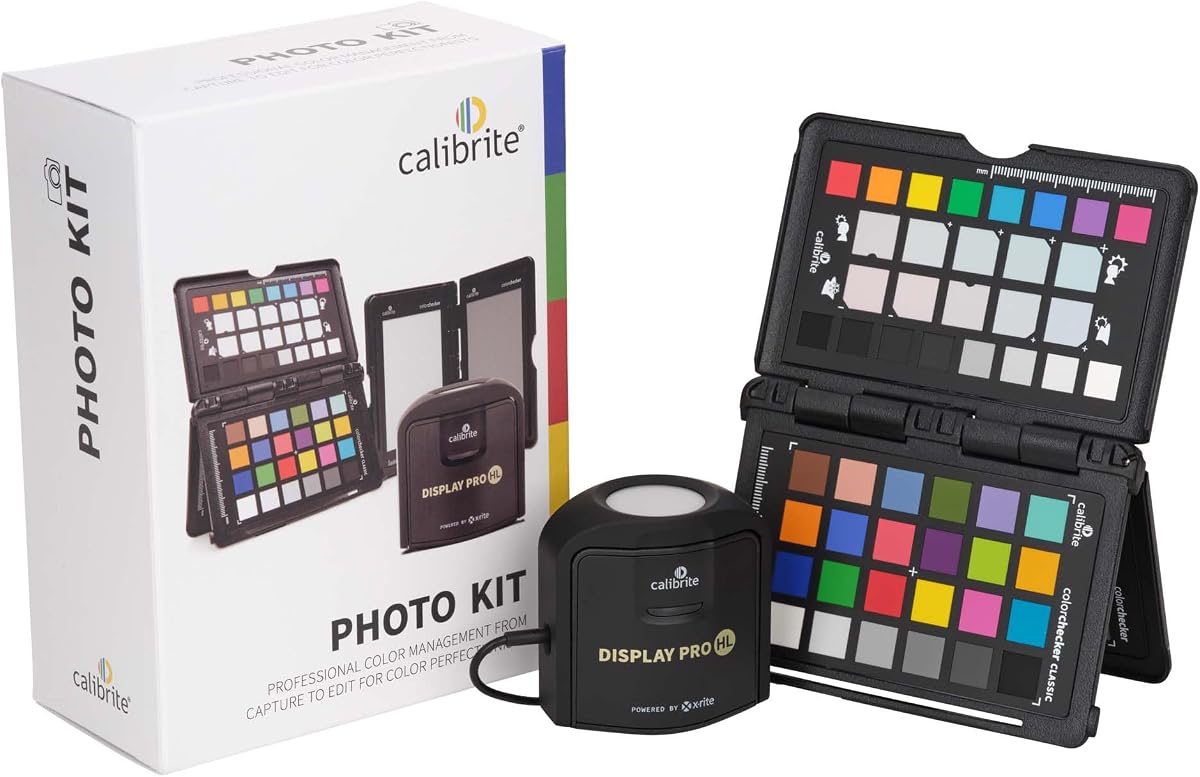
This kit stands out as a top choice for photographers seeking a complete color management solution. It combines a high luminance colorimeter with a camera profiling tool to ensure accuracy from capture to edit.
We may earn a commission when you buy through this link, at no additional cost to you.
The Display Pro HL component supports modern display technologies including Mini LED and OLED panels. It allows users to create custom camera profiles for RAW workflows, ensuring white balance and exposure remain consistent.
While the kit offers comprehensive features, it may require some time to master both hardware tools effectively. Users must balance the cost against the benefits of a fully integrated workflow.
Photographers who prioritize end to end color accuracy will find this kit invaluable. It is highly recommended for those seeking professional results across different lighting conditions and display types.
The integration of monitor calibration and camera profiling tools streamlines the entire creative process from start to finish.
Support for high luminance and OLED panels ensures accurate color representation on the latest professional monitors.
We may earn a commission when you buy through this link, at no additional cost to you.
This colorimeter offers an accessible entry point for users needing reliable monitor calibration without complex settings. Its guided workflow simplifies the process for beginners and casual creators.
We may earn a commission when you buy through this link, at no additional cost to you.
The software allows users to view color shifts before and after calibration to verify improvements. It supports up to two displays which is useful for multi screen workspaces.
While effective for general photo editing, it lacks the advanced luminance and HDR capabilities found in higher tier models. Users should consider if their display requirements exceed basic calibration needs.
Budget conscious photographers and designers will find this device offers excellent value. It is ideal for those prioritizing ease of use and reliable color accuracy on standard screens.
The intuitive one two three software flow makes calibration approachable for users without technical expertise.
Calibration capabilities extend to two monitors allowing consistent color across a dual screen workspace.
We may earn a commission when you buy through this link, at no additional cost to you.
Designed for professionals working with bright HDR displays, this colorimeter measures up to ten thousand nits. It ensures that highlights and blacks are rendered accurately for video and photo work.
We may earn a commission when you buy through this link, at no additional cost to you.
The PROFILER software provides detailed control over white point and luminance settings. It supports broadcast standards like Rec.709 which is critical for colorists and video editors.
While the device offers professional grade tools, the advanced features may be overwhelming for casual users. The investment is justified for those requiring precise color management on modern screens.
Video editors and colorists working with OLED or Mini LED panels should consider this tool. It delivers the high accuracy needed for reliable grading and consistent monitoring across pipelines.
The advanced sensor handles super bright displays ensuring accurate calibration for HDR capable monitors.
Built-in tools allow users to verify color accuracy and maintain consistent results across sessions.
We may earn a commission when you buy through this link, at no additional cost to you.
This tool focuses on delivering confidence to digital workflows by simulating how images appear on other devices. Its DevicePreview feature helps creators avoid unexpected color surprises when sharing work.
We may earn a commission when you buy through this link, at no additional cost to you.
An ambient light sensor tracks room conditions and adjusts display brightness accordingly. This ensures that shadow detail and highlights remain visible regardless of changing lighting environments.
While the calibration is fast and easy, users may need to update software to access all beta features. The device performs well across laptops and desktop displays with modern panel types.
Photographers and designers looking for intuitive software should find this tool appealing. It balances professional results with an approachable workflow for users of all experience levels.
DevicePreview Beta allows users to simulate photo appearance on various devices before exporting final files.
The ambient sensor automatically adjusts brightness levels to match the current room lighting conditions.
We may earn a commission when you buy through this link, at no additional cost to you.
This kit is tailored for filmmakers and hybrid shooters who need reliable color from capture to edit. It includes the Display 123 colorimeter alongside the ColorChecker Passport Video 2 for comprehensive control.
We may earn a commission when you buy through this link, at no additional cost to you.
The Video Passport helps set accurate white point and verify exposure on set. It ensures footage remains consistent even when lighting conditions change during production.
While the monitor tool is simpler than high-end models, it provides sufficient accuracy for most content creation tasks. Users should weigh the focus on video against detailed display profiling needs.
Content creators requiring consistent color standards across cameras and monitors will benefit from this kit. It reduces trial and error in post-production and supports professional results for video and photo.
Passport Video 2 helps filmmakers match multiple cameras and set accurate white point on location.
The Display 123 provides a reliable workflow for trusting on-screen color during editing sessions.
We may earn a commission when you buy through this link, at no additional cost to you.
This colorimeter is designed for high repeatability across the same and different display types. Its optical design ensures consistent color profiling for professional environments requiring reliable results.
We may earn a commission when you buy through this link, at no additional cost to you.
The rotatable diffuser arm serves as a stand for projector profiling and ambient light measurement. An integrated tripod mount makes it convenient to use in larger venues or settings.
While compatible with popular software, users may need to ensure proper licensing for full functionality. The device is robust but might be less intuitive than newer consumer focused tools.
Professionals who demand consistent results across various monitors will find this tool reliable. It is suitable for environments where color accuracy and repeatability are critical priorities.
The optical design ensures consistent results when profiling the same display or different types.
Integrated tripod mount and diffuser arm allow for projector profiling and ambient measurement.
We may earn a commission when you buy through this link, at no additional cost to you.
Designed for serious photographers and designers, this colorimeter focuses on accurate color for printing and sharing. Its room light monitoring helps determine optimal monitor brightness for shadow detail visibility.
We may earn a commission when you buy through this link, at no additional cost to you.
The before and after evaluation feature allows users to assess results using their own images. A display analysis tool lets you compare the performance of multiple laptop and desktop monitors quickly.
While it is an older model, it remains effective for standard calibration tasks. Users should note that software updates may not support the newest operating system features as actively.
Photographers who edit images for print will appreciate the focus on matching prints to screens. It is a reliable choice for those needing consistent color without advanced HDR capabilities.
Determines optimal brightness settings so shadow detail and highlights are visible on screen.
Helps ensure edited images match prints reducing waste and time in the print-edit-print cycle.
We may earn a commission when you buy through this link, at no additional cost to you.
This device aims to be a 3-in-1 tool combining colorimeter, OSD control, and ASUS Dial features. It measures up to ten thousand nits for precise HDR calibration across LED and OLED panels.
We may earn a commission when you buy through this link, at no additional cost to you.
Users can control display OSD via the device which adds convenience to the calibration workflow. The reversible USB-C connection and shortcut keys are designed for precise control within reach.
Despite the impressive feature list, user feedback indicates significant software challenges affecting usability. Potential buyers should verify current software stability before purchasing this specific model.
ASUS ProArt users may find value if the software performs reliably. However, the low rating suggests caution and checking recent reviews for long-term functionality.
Combines colorimeter, display OSD control, and ASUS dial features into a single professional tool.
Measuring up to 10000 nits allows for precise calibration of HDR capable monitors.
We may earn a commission when you buy through this link, at no additional cost to you.
This colorimeter features a full-spectrum color sensor that provides improved accuracy and stability. The single sensor design can calibrate multiple displays making it efficient for small studios.
We may earn a commission when you buy through this link, at no additional cost to you.
The ReCAL feature makes recalibration quick to compensate for changes over time without full setup. Double-shielded color filters match CIE standards better than earlier generations.
While it offers good performance for its generation, it may lack support for newer display technologies like OLED. Users should consider if their monitor matches the supported technologies.
Users needing an affordable tool for stable calibration across multiple screens will find this useful. It balances cost with reliability for standard monitor workflows effectively.
The single sensor calibrates multiple displays which streamlines workflow for small studios.
ReCAL feature makes it quick and easy to recalibrate your display over time.
We may earn a commission when you buy through this link, at no additional cost to you.
This colorimeter is designed to be intuitive and accessible for first-time users needing accurate color. Its lens-based color engine provides high precision and supports multiple monitors effectively.
We may earn a commission when you buy through this link, at no additional cost to you.
The SpyderProof feature allows comparison of before and after images to evaluate results visually. Predefined calibration targets simplify the process while still offering precision for advanced needs.
While it handles multi display workflows well, it may not include all advanced features of top-tier models. It balances ease of use with reliable performance for general creative tasks.
New photographers or designers seeking a user-friendly tool will appreciate the workflow. It delivers accurate color for photographic images without requiring extensive technical knowledge.
Features quick single-click calibration and wizard workflow with predefined targets for easy use.
Provides before-and-after evaluation using your own images to see the calibration difference.
We may earn a commission when you buy through this link, at no additional cost to you.
Selecting the right colorimeter depends on your display technology, budget, and workflow needs.
Ensure the colorimeter supports your monitor type such as OLED, Mini LED, or traditional LCD. Newer models include high luminance sensors for HDR displays.
Check for OLED and Mini LED support in the specs.
Look for software that offers detailed control and preset options. Some tools include validation tools and before-after comparisons.
Choose software with presets and validation tools.
Accuracy determines how well your screen matches industry standards. High-quality sensors ensure better color consistency over time.
Opt for models with high repeatability sensors.
Ambient light sensors adjust brightness based on room conditions. This helps maintain visibility of details in changing environments.
Prioritize models with ambient light sensors.
If you use multiple monitors, confirm the tool supports calibrating more than one screen. Consistency between screens is vital for multi-monitor setups.
Confirm dual display calibration capability.
Cost varies significantly between entry-level and professional tools. Determine if advanced features like HDR support justify the higher price.
Balance features against your specific needs.
Guided workflows simplify calibration for beginners while advanced settings offer flexibility. Choose based on your technical comfort level.
Look for intuitive guided workflows.
Start by warming up your display for at least thirty minutes to ensure stable brightness. This helps the colorimeter measure consistent values throughout the process.
Place the device on the screen using the provided weights and avoid direct light. Follow the on-screen instructions to begin the calibration steps.
After calibration, verify the results using built-in comparison tools. Recalibrate regularly to maintain accuracy as displays age over time.
It is recommended to calibrate your monitor every four weeks for professional work. Regular calibration ensures that color accuracy is maintained as display performance changes over time.
Most modern colorimeters support LCD and LED screens. However, check compatibility for newer technologies like OLED or Mini LED before purchasing.
Calibration sets the hardware to a standard baseline while profiling creates a custom file for the display. Both steps are needed for accurate color management.
Colorimeters typically come with dedicated software to guide the calibration process. Ensure the software is compatible with your operating system before starting.
Some advanced colorimeters include features for projector profiling. Look for devices with rotatable arms or tripod mounts for projector support.
Yes, ambient light affects how colors appear on screen. Using a tool with ambient light sensing helps adjust brightness to match your environment.
HDR calibration adjusts displays that can show higher brightness levels. Ensure your colorimeter supports high luminance measurements for HDR workflows.
Most tools offer a before-and-after comparison feature. This allows you to see the visual difference and confirm improved accuracy.
The Calibrite Photo Kit offers a complete solution for photographers needing camera and monitor profiling. It combines high luminance support with a camera workflow for consistent results.
For those seeking affordability, the Calibrite Display 123 provides a simple and effective workflow. It supports dual displays and ensures reliable color for standard editing.
Always check current pricing and availability before purchasing as market conditions may change. Invest in a tool that aligns with your display technology and workflow requirements.