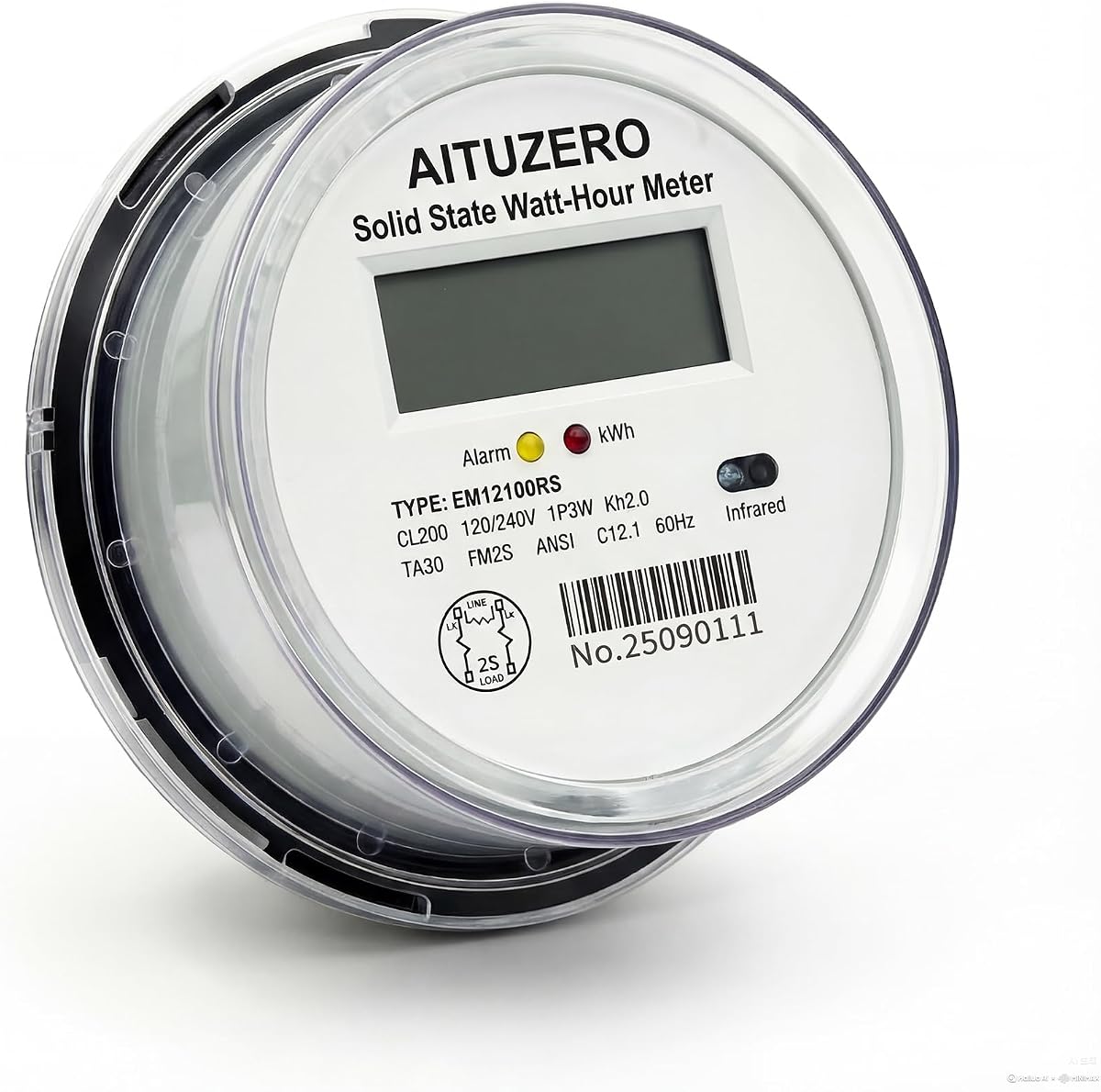
Digital Electric Sub Meters for Landlords
4.5Editor score
Easy ANSI Form 2S Installation
Bright LCD with Clear Readings
Pulse and Modbus Output
This guide compares the top electric sub meters for landlords and property managers to help you choose the best model for accurate energy monitoring and
Finding the right electric sub meter is essential for landlords and property managers who want accurate energy tracking. These devices allow you to monitor consumption per unit, ensuring fair billing and reducing disputes over utility costs in multi-unit buildings.
We compared ten top-rated models based on installation ease, communication features, and compatibility with standard sockets. Our selection includes options for solar monitoring, RV parks, and commercial spaces, focusing on reliability and data accuracy for diverse electrical needs.
Each pick highlights key specs like voltage range, communication protocols, and display clarity. While prices fluctuate, our list helps you prioritize features that matter most for your specific setup. Always check current availability before purchasing to ensure compatibility.
4.5Editor score

4.8Editor score
4.5Editor score
Compare these ten electric sub meters side by side to find the best fit for your energy monitoring needs. Each model offers unique features for different applications, from simple residential use to advanced commercial billing.


This digital energy meter offers an affordable solution for landlords needing accurate sub-metering. With a 4.5 rating, it stands out for its ease of installation and reliable performance in standard Form 2S sockets. Ideal for RVs and rental units, it delivers precise kWh tracking without complex setup.
We may earn a commission when you buy through this link, at no additional cost to you.
The meter features a bright LCD for clear visibility of voltage and power data. Its solid-state design tolerates harsh conditions while maintaining accuracy for tools and HVAC systems. Pulse and Modbus options allow integration with broader monitoring systems for scalable energy management.
While it lacks advanced cloud connectivity, its EEPROM ensures data persistence during power cycles. The reverse-flow LED aids solar verification, making it versatile for hybrid setups. Installation is straightforward with labeled terminals for quick wiring into breaker panels.
Best for DIY users seeking cost-effective monitoring. Landlords will appreciate fair billing capabilities, while RV owners gain insights into power consumption. This meter balances affordability with essential features for diverse electrical environments.
Labeled terminals and ANSI 2S fit ensure quick setup without special tools.
Supports solar monitoring and heavy loads for flexible applications.
We may earn a commission when you buy through this link, at no additional cost to you.
Top-rated at 4.8, this digital sub meter excels in professional sub-metering applications. Its RS485 Modbus interface enables centralized data collection, perfect for multi-tenant buildings. With import/export measurement, it supports solar integration for complete energy visibility.
We may earn a commission when you buy through this link, at no additional cost to you.
The large backlit LCD displays comprehensive parameters like voltage, current, and power factor. This aids diagnostics for equipment verification and daily monitoring. Built with non-volatile memory, it preserves records through interruptions, ensuring continuous billing accuracy.
IR optical interface allows authorized configuration without opening panels. Pulse output expands utility for external counters or PLC systems. While setup is more complex, the features justify the investment for serious energy management needs.
Ideal for landlords needing detailed usage analysis. The accuracy and connectivity make it a standout for fair billing and efficient energy planning in rental properties.
RS485 Modbus supports scalable monitoring networks for multiple meters.
Backlit LCD cycles through key electrical parameters for easy reading.
We may earn a commission when you buy through this link, at no additional cost to you.
This model suits commercial settings needing robust 200A metering. Its durable enclosure handles outdoor installations, making it versatile for varied systems. Despite a lower rating, it offers flexibility with 1PH, 2W, and 3W options for custom setups.
We may earn a commission when you buy through this link, at no additional cost to you.
Compatible with 120V, 208V, and 240V supplies, it ensures broad compatibility. The compact design saves space while maintaining clear labels for easy monitoring. Ideal for applications requiring higher amperage without complex smart features.
Installation is straightforward but lacks digital communication like Modbus. This trade-off suits users prioritizing simplicity over remote access. The enclosure protects circuitry in harsh environments effectively.
Best for industrial or large residential projects needing reliable capacity. Check reviews for specific use cases to ensure it meets accuracy expectations.
Outdoor-rated enclosure ensures longevity in exposed locations.
Supports multiple configurations to fit various electrical systems.
We may earn a commission when you buy through this link, at no additional cost to you.
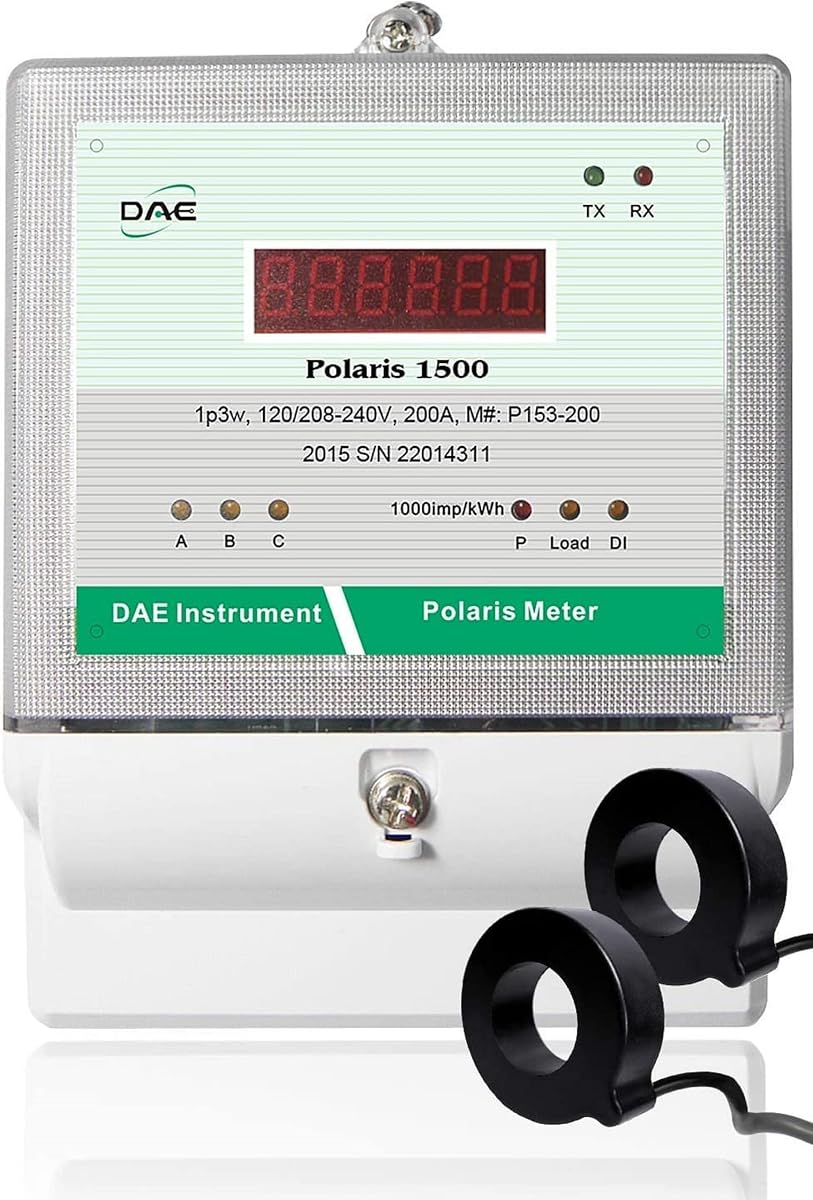
This premium kit offers 0.5% accuracy for precise billing and revenue-grade monitoring. With cloud capabilities via CC2030 Gateway, landlords access real-time data remotely. UL CTEP approval ensures compliance, ideal for regulated environments needing certified metering.
We may earn a commission when you buy through this link, at no additional cost to you.
Time of Use reports aid energy optimization and cost savings. Wireless RF converters simplify connections in hard-to-wire buildings. The included 3/4 knockouts and fuse holder streamline installation for professional setups.
While requiring additional gateway hardware, the ecosystem provides comprehensive management. Factory calibration certificates add reliability. This makes it a top choice for property managers seeking long-term efficiency.
Best for commercial or multi-unit properties needing certified accuracy. Invest in the gateway for full cloud features to maximize its potential.
0.5% accuracy ensures reliable billing and regulatory compliance.
CC2030 Gateway enables remote data access and TOU reports.
We may earn a commission when you buy through this link, at no additional cost to you.
With an internal CT, this meter simplifies installation by avoiding external transformers. Rated for 50A, it suits smaller circuits in buildings or garages. Cloud support via CC2030 Gateway allows tenants to monitor usage remotely for transparency.
We may earn a commission when you buy through this link, at no additional cost to you.
IEC61036 compliance ensures international standards accuracy. While limited to indoor use, enclosures are available for outdoor placement. Wireless options help connect existing buildings without extensive cabling.
Factory calibration adds reliability for billing purposes. The integration with cloud systems aids property managers in generating usage reports efficiently. It balances cost with advanced connectivity for mid-range needs.
Best for residential applications requiring internal CT convenience. Ensure your project matches the 50A rating before purchase.
Internal CT eliminates external wiring for quicker setup.
IEC61036 ensures accuracy for international and domestic use.
We may earn a commission when you buy through this link, at no additional cost to you.
Designed for three-phase systems, this kit handles up to 200A for commercial use. UL CTEP approval supports revenue-grade applications in industrial settings. It includes three CTs for comprehensive monitoring across phases.
We may earn a commission when you buy through this link, at no additional cost to you.
Cloud capabilities via CC2030 enable remote tracking of energy consumption. This facilitates billing and usage analysis without on-site visits. The RS485 interface adds flexibility for local or networked data collection.
Wiring is more involved due to three-phase requirements. However, the enclosed knockouts and fuse support simplify professional installation. Suitable for large properties needing detailed phase-specific data.
Best for commercial buildings with three-phase power. Invest in the gateway for full cloud management benefits.
Supports three-phase systems for broader commercial applications.
UL CTEP ensures compliance for professional metering needs.
We may earn a commission when you buy through this link, at no additional cost to you.
This pass-through meter handles up to 100A with straightforward wiring. It supports local LCD reading or remote pulse output for external tracking. Ideal for basic monitoring where cloud integration is not required.
We may earn a commission when you buy through this link, at no additional cost to you.
Compatible with 120V or 240V single-phase systems. The 60Hz operation suits standard residential use. Simplicity makes it cost-effective for DIY users needing immediate usage visibility.
While lacking smart connectivity, pulse output enables simple integration. The display offers real-time data for appliance monitoring. Installation is simple with standard wire diameters.
Best for basic applications needing reliable 100A monitoring. Choose if cloud access is not a priority for your setup.
Pass-through wiring reduces complexity for quick installation.
Local LCD and pulse output cover essential tracking needs.
We may earn a commission when you buy through this link, at no additional cost to you.
Perfect rated at 5.0, this meter features internal CT and Din rail mounting. It monitors whole panels for both 120V and 240V circuits. Cloud integration via CC2030 Gateway enables detailed billing reports and TOU data.
We may earn a commission when you buy through this link, at no additional cost to you.
Compliant with IEC62053-21 and IEC62052-11 standards for accuracy. Neutral is not connected to the meter, simplifying wiring. Factory calibration certificates ensure reliable performance for professional use.
Wireless options assist existing buildings. Enclosures available for outdoor placement expand versatility. This makes it a top choice for accurate panel monitoring.
Best for residential panels needing internal CT and cloud access. Ensure indoor placement for optimal performance.
Monitors whole electrical panels for comprehensive usage data.
Perfect 5.0 rating reflects strong user satisfaction and reliability.
We may earn a commission when you buy through this link, at no additional cost to you.
This universal meter supports 2 or 3-wire configurations. Rated at 100A, it fits diverse single-phase setups. Local LCD allows immediate checks, while pulse output enables remote tracking without cloud dependencies.
We may earn a commission when you buy through this link, at no additional cost to you.
Works with 120V or 240V systems for broad use. Simple installation makes it suitable for DIY projects. Despite lacking advanced features, it delivers reliable basic tracking for cost-conscious users.
Wire options provide basic integration. The display offers clear visibility for appliances or circuits. Best for straightforward monitoring needs without complex setup.
Choose this if flexibility and ease are priorities. Confirm your wiring matches supported configurations.
Supports multiple wiring types for wide compatibility.
Simple design covers essential usage tracking without extra features.
We may earn a commission when you buy through this link, at no additional cost to you.
This model features Class 1000 rating for robust performance. It handles 1 or 2 phases up to 100A for stable operation. Ideal for industrial or heavy-duty applications requiring reliable metering.
We may earn a commission when you buy through this link, at no additional cost to you.
Voltage range of 120/208-240V suits varied systems. Construction ensures longevity in demanding conditions. While smart features are minimal, stability is its main strength for professional use.
Installation follows standard heavy-duty protocols. Without cloud connectivity, it relies on local monitoring. Best where durability trumps remote features.
Select for industrial use needing Class 1000 reliability. Confirm voltage compatibility for your setup.
High rating ensures stability under heavy load conditions.
Built for demanding environments with reliable performance.
We may earn a commission when you buy through this link, at no additional cost to you.
Selecting the right electric sub meter depends on your monitoring needs and system compatibility. This guide helps you evaluate key factors to ensure reliable and accurate energy tracking.
Check that the meter supports your system voltage such as 120V or 240V and matches the maximum amperage of your circuits. For example, 100A or 200A models suit different loads.
Ensure the meter fits your existing socket base. ANSI Form 2S models are common for plugs, while DIN rail requires specific panel support. Mismatched sockets complicate installation.
Decide between basic pulse outputs and advanced protocols like RS485 Modbus. Cloud connectivity helps remote access, while local displays suit simple tracking needs.
Look for revenue-grade accuracy like 0.5% or compliance with ANSI/IEC standards. Certified models ensure billing reliability for landlords and property managers.
Choose meters with clear LCD screens and backlighting for easy readings. Multi-parameter displays show voltage, current, and power for better diagnostics.
Internal CTs simplify wiring, while pass-through designs reduce external components. Consider whether you need wireless setups for existing buildings.
Ensure the enclosure is rated for your location. Indoor-only units need watertight cases for outdoor use. Check temperature and humidity tolerances.
For multi-unit buildings, choose models that allow centralized data collection. Modbus networks and cloud gateways enable monitoring across multiple meters.
Install the meter according to the manufacturer instructions to ensure safety. Connect line and load terminals correctly and verify with the reverse-flow LED if available.
Regularly check the display for any anomalies or error messages. Clean the exterior with a dry cloth and keep the environment free of dust or moisture.
Use the EEPROM memory to track long-term consumption. Export data via pulse or Modbus periodically to maintain accurate billing records and analysis.
Electric sub meters track individual energy usage within a larger system. They help landlords bill tenants fairly and monitor specific circuits in buildings or RVs.
Many models like ANSI Form 2S allow plug-in installation with labeled terminals. However, high-voltage wiring should be done by a qualified electrician.
Not all. Some require additional gateways or Modbus interfaces for cloud integration. Basic models use pulse outputs for simpler local tracking.
Revenue-grade meters often meet ANSI C12.20 or IEC standards. Accuracy around 0.5% ensures reliable billing for commercial or rental use.
Yes, many support bidirectional flow to measure import and export. Check for reverse-flow indicators to confirm solar compatibility.
Data is shown on the LCD display. For remote access, use Modbus or cloud gateways. EEPROM ensures data remains after power outages.
Some models like the DAE DEM730P are for indoor use. For outdoors, use watertight enclosures to protect the unit.
Pass-through meters connect directly to wires. Internal CTs simplify installation by avoiding external current transformers.
The top picks like the Digital Electric Sub Meter CL200 and DAE P153-200-S KIT offer strong accuracy and connectivity. Each serves different needs from budget-friendly to premium billing.
Prioritize factors like voltage compatibility, communication, and environment ratings. Your choice impacts both ease of use and long-term reliability in monitoring.
Always verify current availability and specs before purchasing. Prices and models may update, so check the latest details for your application.